
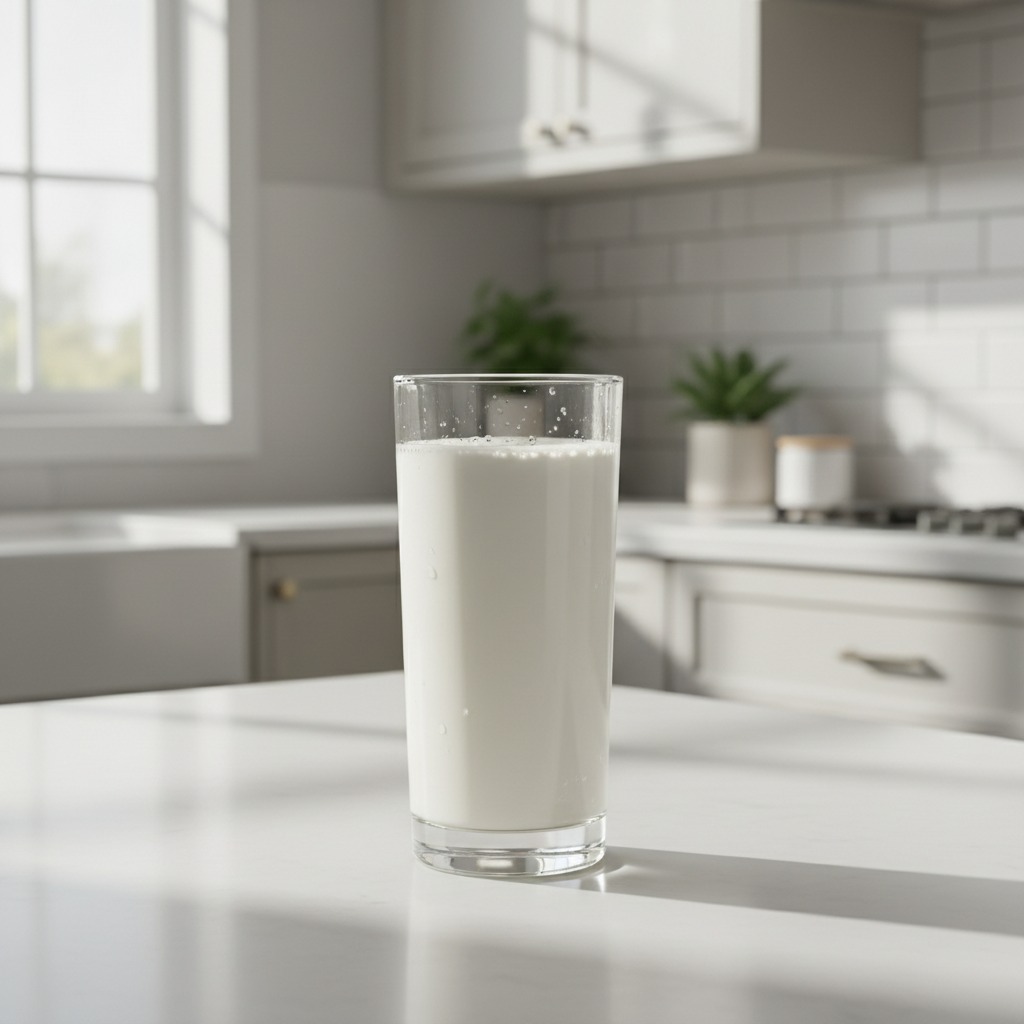
Calories in Milk
Milk is one of the most nutritious beverages, providing high-quality protein, calcium and essential vitamins. Whether you drink it on its own, add it to coffee or cereal, or use it in smoothies, the calories in milk vary depending on the type you choose.
Whole milk contains the most calories because of its natural fat content, while low-fat and skim milk contain fewer calories. Milk can be an excellent choice for both weight gain and weight management depending on your nutritional goals.
Milk Calories by Serving Size
| Serving | Calories |
|---|---|
| 100ml Whole Milk | 61 kcal |
| 1 Cup (250ml) Whole Milk | 152 kcal |
| 1 Glass (300ml) Whole Milk | 183 kcal |
| 500ml Whole Milk | 305 kcal |
| 1 Litre Whole Milk | 610 kcal |
Tip: Whole milk provides significantly more calories than skim milk due to its higher fat content.
Nutrition Facts (1 Cup Whole Milk)
| Nutrient | Amount |
|---|---|
| Calories | 152 kcal |
| Carbohydrates | 12g |
| Protein | 8g |
| Fat | 8g |
| Calcium | 300mg |
| Vitamin B12 | 1.1mcg |
Milk is one of the best natural sources of calcium and complete protein.
Calories by Milk Type
| Milk Type | Calories (250ml) |
|---|---|
| Whole Milk | 152 kcal |
| Reduced-Fat Milk | 120 kcal |
| Low-Fat Milk | 102 kcal |
| Skim Milk | 83 kcal |
| Almond Milk (Unsweetened) | 35 kcal |
| Soy Milk | 105 kcal |
Plant-based milks vary considerably depending on the brand and whether sugar has been added.
Homemade vs Flavoured Milk
| Type | Estimated Calories |
|---|---|
| Plain Whole Milk | 152 kcal |
| Chocolate Milk | 220 kcal |
| Strawberry Milk | 210 kcal |
| Banana Milkshake | 320 kcal |
Flavoured milk usually contains added sugar, increasing its calorie content.
Is Milk Good for Weight Loss?
Yes.
Milk can support weight loss because it provides:
- High-quality protein.
- Calcium.
- Vitamins and minerals.
- Good satiety.
Choosing low-fat or skim milk helps reduce calorie intake while still providing excellent nutrition.
Is Milk Good for Weight Gain?
Absolutely.
Whole milk is one of the best natural drinks for healthy weight gain because it provides:
- High-quality protein.
- Healthy fats.
- Carbohydrates.
- Calcium.
- Easy-to-consume calories.
Many people trying to gain weight include milk in smoothies, oatmeal or as a bedtime drink.
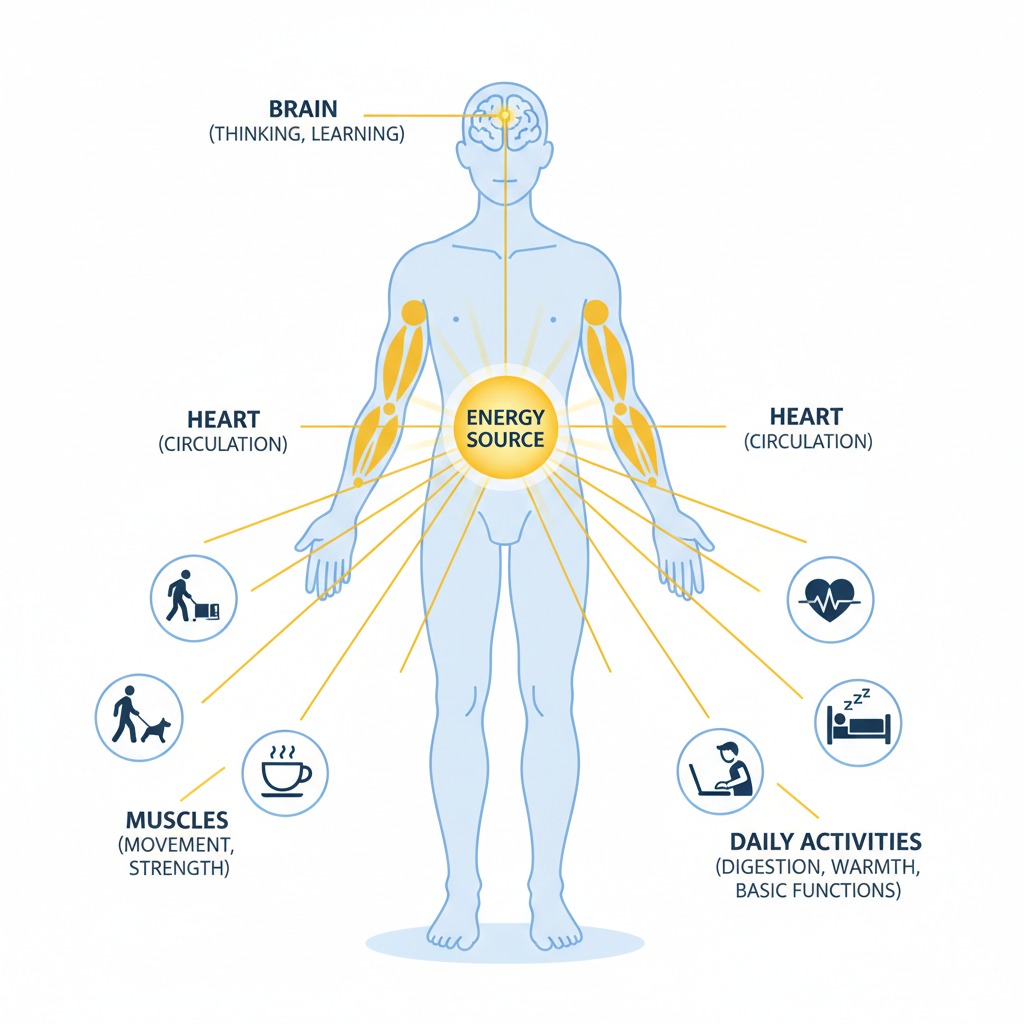
Health Benefits
Milk provides:
- Calcium for strong bones.
- Protein for muscle growth.
- Vitamin B12.
- Riboflavin.
- Potassium.
- Phosphorus.
Regular milk consumption can support bone health and muscle recovery when included as part of a balanced diet.
What Increases the Calories?
Extra calories usually come from:
- Full-fat milk.
- Chocolate flavouring.
- Sugar.
- Honey.
- Ice cream in milkshakes.
- Sweet syrups.
These additions can easily double the calorie content.
Smart Healthier Swaps
Instead of:
- Sugary flavoured milk
Try:
- Plain whole milk.
- Low-fat milk.
- Unsweetened soy milk.
- Fresh fruit smoothies without added sugar.
These options provide more nutrition with fewer unnecessary calories.
Burn Those Calories
Approximately 152 calories (1 cup whole milk) can be burned by:
| Activity | Time |
|---|---|
| Walking | 40 minutes |
| Cycling | 25 minutes |
| Running | 15 minutes |
| Swimming | 20 minutes |
Actual calorie burn varies depending on body weight and exercise intensity.
Expert Tip
If you’re trying to gain weight, drinking a glass of whole milk between meals is an easy way to increase your calorie and protein intake without feeling overly full.
People Also Ask
How many calories are in one glass of milk?
A 250ml glass of whole milk contains approximately 152 calories.
Is milk good for weight loss?
Yes. Low-fat and skim milk provide protein and calcium while containing fewer calories.
Which milk has the most calories?
Whole milk contains more calories than reduced-fat or skim milk because of its higher natural fat content.
Is milk good for building muscle?
Yes. Milk provides complete protein and essential nutrients that support muscle growth and recovery.
Can I drink milk every day?
Yes. For most healthy people, milk can be part of a balanced daily diet unless they have lactose intolerance or another medical reason to avoid it.
External Reference
For comprehensive nutrition information on milk and dairy products, readers can consult the USDA FoodData Central database.
Final Thoughts
Milk is one of the most nutritious drinks you can include in your diet. Whether your goal is weight loss, muscle building or healthy weight gain, choosing the right type of milk can help you meet your nutritional needs. Whole milk provides more calories for those looking to gain weight, while low-fat and skim milk are excellent options for reducing calorie intake without sacrificing important nutrients.
Related Searches
- Milk calories
- Whole milk calories
- Skim milk calories
- Milk nutrition
- Calories in one glass of milk
- Milk protein
Internal Links
- How Many Calories Do You Need to Gain Weight?
- Best Foods to Help You Gain Weight
- How Long Does Healthy Weight Gain Actually Take?
- Best Bedtime Snacks for Weight Gain
- How to Gain Weight with a Fast Metabolism
- Daily Calorie Needs Calculator
Leave a Reply