🌟 Hero Summary
Healthy weight loss isn’t about starving yourself or following extreme diets. Instead, it involves creating sustainable habits that help you lose body fat while maintaining muscle, energy, and overall health.
Whether you’re just beginning your weight loss journey or looking to improve your eating habits, this guide explains the fundamentals of healthy weight loss in a practical and easy-to-understand way.
📌 Quick Takeaways
✅ Healthy weight loss is usually gradual rather than rapid.
✅ A small calorie deficit is more sustainable than extreme dieting.
✅ Eating balanced meals can help reduce hunger and support overall health.
✅ Regular physical activity complements healthy eating habits.
✅ Long-term lifestyle changes are more effective than short-term diets.
What Is Healthy Weight Loss?
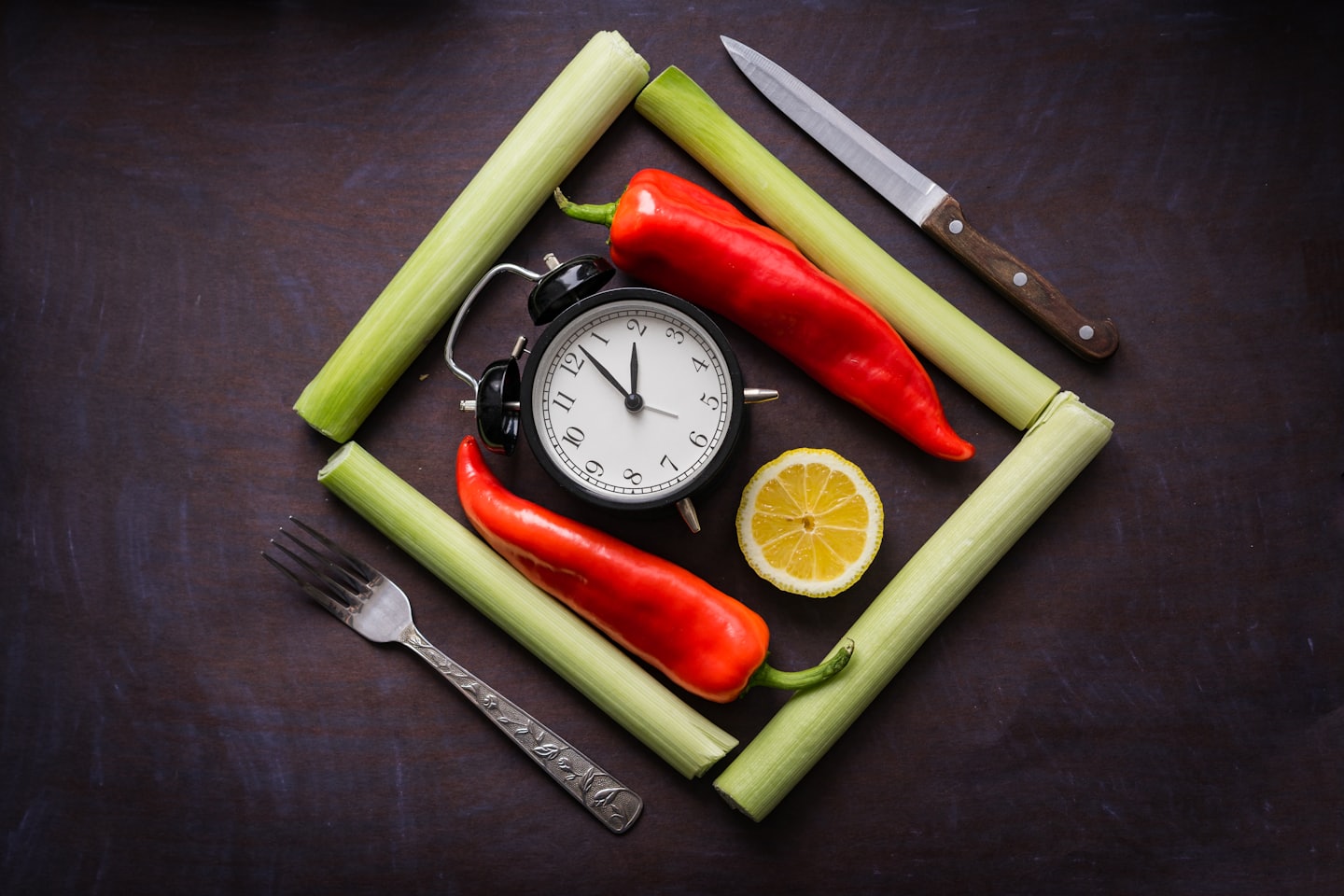
Healthy weight loss means reducing body fat gradually while supporting your overall health. The goal is not simply to make the number on the scale smaller, but to improve your body composition, energy levels, fitness, and wellbeing.
Many people are tempted by crash diets or “quick fixes,” but these approaches are often difficult to maintain and may lead to regaining the weight once normal eating resumes.
A healthier approach focuses on small, consistent changes that become part of your everyday routine.
Understanding a Calorie Deficit
To lose weight, your body generally needs to use more energy than it receives from food and drinks. This is called a calorie deficit.
A calorie deficit can be achieved by:
🥗 Eating slightly fewer calories.
🚶 Becoming more physically active.
⚖️ Combining both approaches.
The aim is not to eat as little as possible. Instead, a moderate calorie deficit can help support steady progress while allowing your body to continue functioning well.
Choose Nutrient-Dense Foods
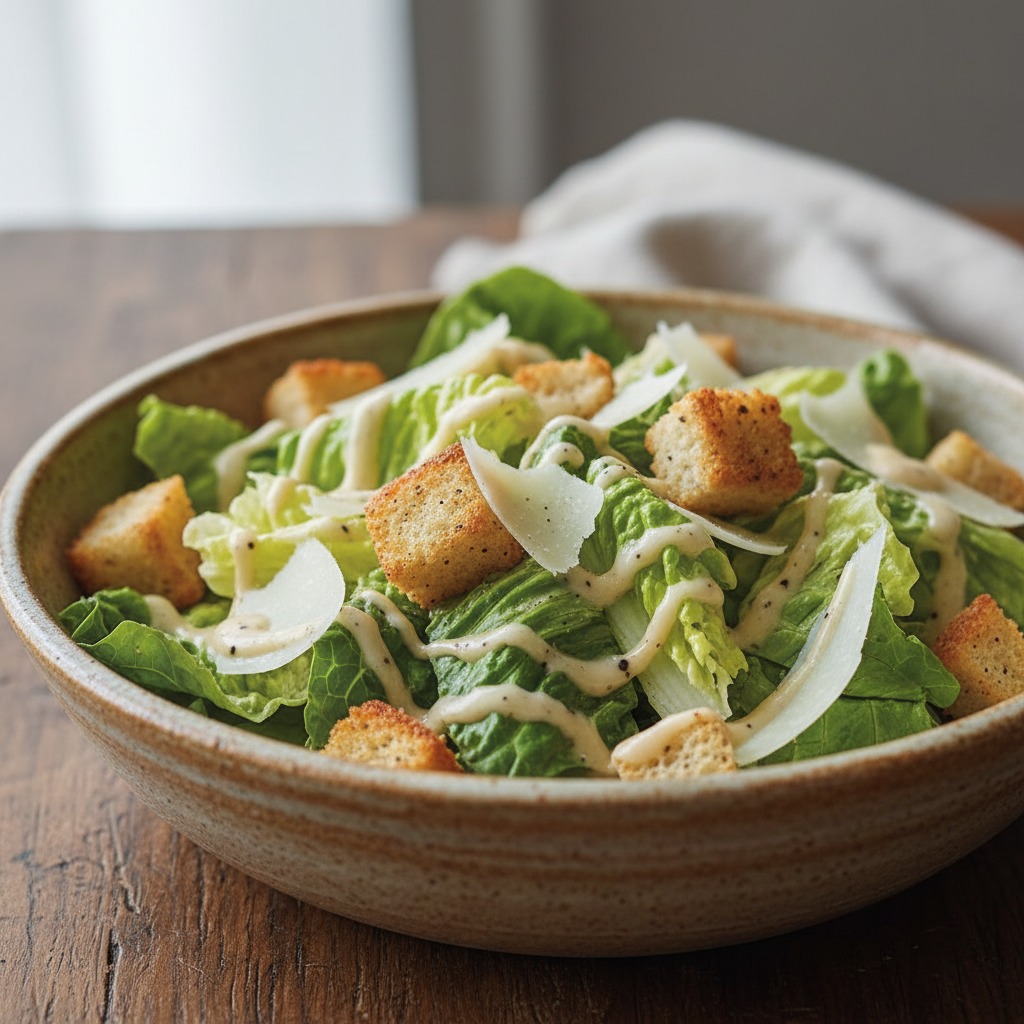
When reducing calorie intake, food quality becomes even more important.
Choosing nutrient-dense foods helps provide vitamins, minerals, protein, and fibre while keeping meals satisfying.
Examples include:
🥦 Vegetables
🍎 Fruit
🍗 Lean chicken
🐟 Fish
🥚 Eggs
🫘 Beans and lentils
🥣 Oatmeal
🥛 Low-fat dairy products
These foods can help you stay fuller for longer compared with many highly processed snacks.
Portion Control Matters
Weight loss isn’t only about what you eat—it’s also about how much you eat.
Simple ways to manage portions include:
🍽️ Using smaller plates.
🥗 Filling half your plate with vegetables.
🥩 Including a source of lean protein.
🍚 Being mindful of rice, pasta, and bread portions.
🥤 Drinking water before meals if you’re thirsty.
Learning portion sizes allows you to enjoy a wide variety of foods without feeling overly restricted.
Stay Active
Exercise is not mandatory for losing weight, but regular physical activity offers many benefits beyond burning calories.
Regular exercise can help:
💪 Preserve muscle mass.
❤️ Improve heart health.
😌 Reduce stress.
🦴 Strengthen bones.
😊 Improve mood.
Walking, cycling, swimming, strength training, and other enjoyable activities can all contribute to a healthier lifestyle.
Healthy Habits That Support Weight Loss
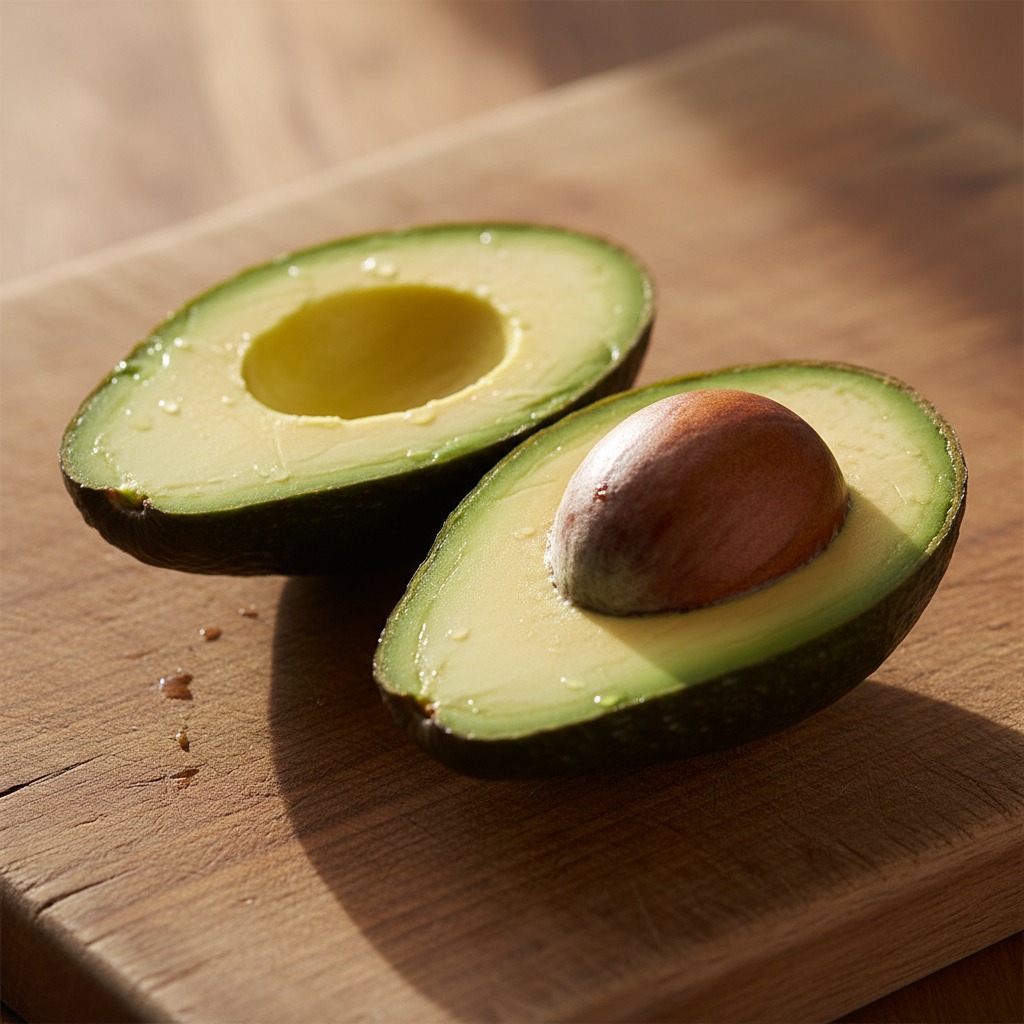
Small habits often have a bigger impact than dramatic changes.
Consider:
✔ Eating regular meals.
✔ Sleeping 7–9 hours per night.
✔ Drinking enough water.
✔ Preparing meals at home more often.
✔ Limiting sugary drinks.
✔ Eating slowly and mindfully.
These habits are easier to maintain over the long term than restrictive diets.
📊 Healthy vs Unhealthy Weight Loss
| Healthy Habits | Less Helpful Habits |
|---|---|
| Balanced meals | Skipping meals |
| Regular activity | Sitting most of the day |
| Portion awareness | Extreme calorie restriction |
| Plenty of water | Sugary soft drinks |
| Consistency | Crash diets |
💡 Did You Know?
Research suggests that eating slowly may help some people recognise feelings of fullness before overeating.
📝 Quick Summary
Healthy weight loss is about creating sustainable habits rather than following temporary diets. A balanced diet, sensible portion sizes, regular physical activity, and consistency are key components of long-term success. Small improvements made over time are often more effective than drastic changes that are difficult to maintain.
Frequently Asked Questions
How quickly should I lose weight?
Gradual weight loss is generally considered more sustainable than rapid weight loss. Individual results vary depending on many factors.
Do I need to stop eating carbohydrates?
No. Carbohydrates can be part of a balanced diet. Choosing whole grains, fruits, and vegetables more often than highly processed foods is generally recommended.
Is exercise necessary?
Many people can lose weight through dietary changes alone, but combining healthy eating with regular physical activity provides additional health benefits.
Can I still enjoy treats?
Yes. Occasional treats can fit into a balanced eating pattern when enjoyed in moderation.
What’s the best diet for weight loss?
The best eating pattern is one that provides balanced nutrition and can be maintained over the long term.
Continue Your Nutrition Journey
Explore more beginner-friendly guides:
- Understanding Calories
- Healthy Weight Gain Guide
- Macronutrients Explained
- Calories in White Rice
- Calories in Oatmeal
- Calories in Banana
- Calories in Eggs
- Calories in Chicken Breast
- Calories in Milk
Trusted Sources
- World Health Organization (WHO)
- NHS (UK)
- Harvard T.H. Chan School of Public Health
- USDA FoodData Central
Recommended Articles