

🥗 Healthy Weight Gain Guide
⏱️ Reading Time
12–15 minutes
📚 Difficulty
⭐ Beginner
🎯 Best For
✔ Underweight adults
✔ People with fast metabolism
✔ Muscle building
✔ Healthy lifestyle
✔ Nutrition beginners
🌟 Quick Summary
Healthy weight gain is about nourishing your body—not simply eating more food. While consuming extra calories is necessary for gaining weight, the quality of those calories matters just as much as the quantity.
The healthiest approach combines nutrient-rich foods, a moderate calorie surplus, regular strength training, and consistent eating habits. This encourages lean muscle growth, supports overall health, and helps you maintain your results over the long term.
In this guide, you’ll learn why some people struggle to gain weight, how weight gain actually works, which foods provide the best nutrition, and practical strategies you can begin using today.
📌 Key Takeaways
✅ Healthy weight gain focuses on muscle and overall health—not simply increasing body fat.
✅ A moderate calorie surplus is more effective than overeating.
✅ Protein, carbohydrates, and healthy fats each play an important role.
✅ Strength training helps your body use extra calories to build muscle.
✅ Small daily habits usually produce better long-term results than extreme diets.
📖 Introduction
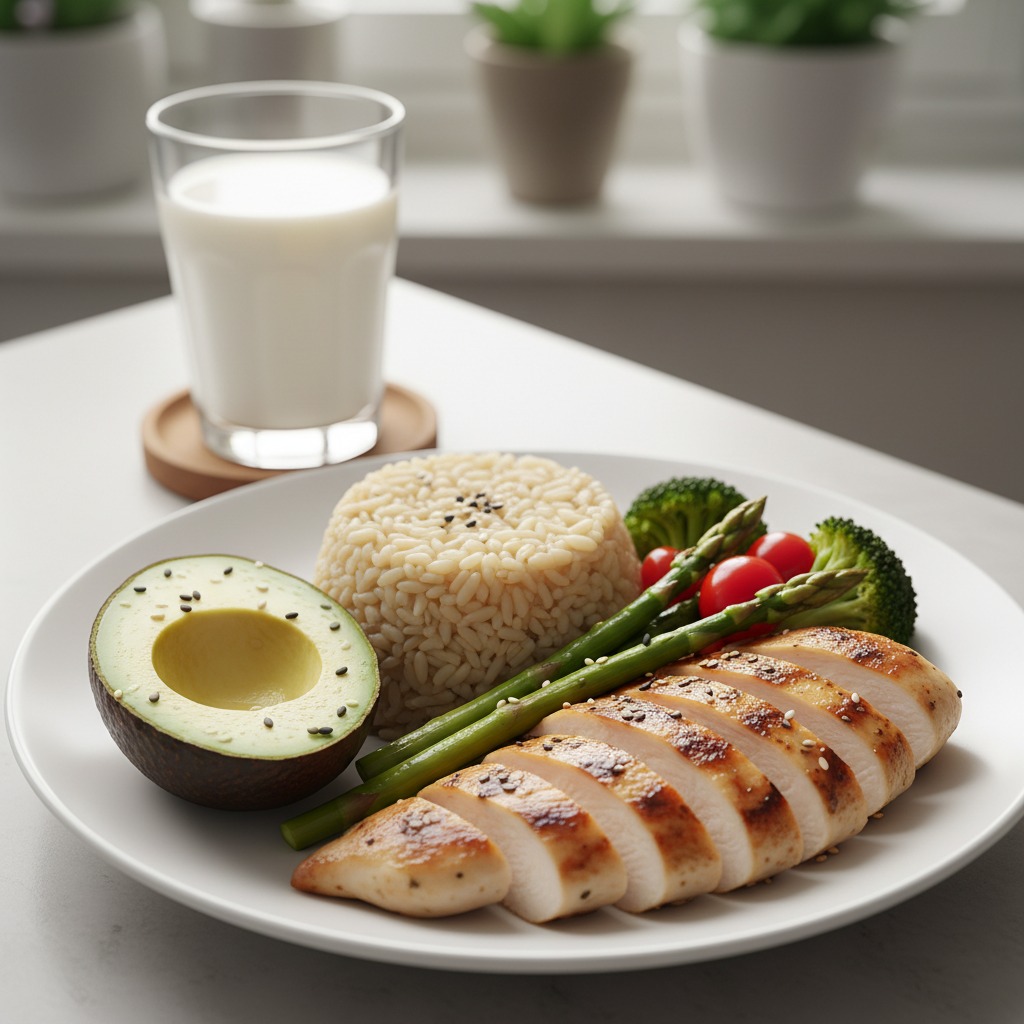
When people talk about nutrition, most conversations focus on losing weight. However, gaining weight in a healthy way can be just as challenging. For some individuals, maintaining or increasing body weight is difficult despite eating regular meals and leading a healthy lifestyle.
Healthy weight gain is not about eating unlimited fast food, sugary snacks, or highly processed meals. While these foods may increase calorie intake quickly, they often lack the protein, vitamins, minerals, fibre, and healthy fats your body needs to support long-term health.
Instead, healthy weight gain involves gradually increasing your calorie intake while choosing nutrient-rich foods that help build muscle, support recovery, and provide lasting energy. Combined with resistance training and balanced nutrition, this approach encourages your body to gain quality weight rather than simply storing excess fat.
Whether your goal is improving athletic performance, recovering from illness, increasing muscle mass, or reaching a healthier body weight, understanding how healthy weight gain works is the first step towards achieving sustainable results.
Chapter 1
Understanding Healthy Weight Gain
Healthy weight gain means increasing your body weight in a way that supports overall health rather than simply adding excess body fat.
Although gaining weight may appear easier than losing it, the healthiest approach still requires planning, consistency, and balanced nutrition. Simply eating larger portions of unhealthy foods may increase your calorie intake, but it does little to improve your nutritional status or physical fitness.
A healthy weight gain programme focuses on three key goals:
🥗 Providing your body with enough energy
Your body needs a consistent supply of calories to support everyday activities while leaving enough extra energy for gradual weight gain.
💪 Building lean muscle
Strength training combined with adequate protein encourages the body to use additional calories for muscle growth rather than storing them primarily as fat.
❤️ Supporting overall health
Weight gain should improve your energy levels, physical performance, immune function, and nutritional status—not increase your risk of chronic disease.
📊 Healthy Weight Gain vs Unhealthy Weight Gain
| Healthy Weight Gain | Unhealthy Weight Gain |
|---|---|
| Balanced nutrition | Frequent junk food |
| Gradual progress | Rapid overeating |
| Muscle development | Excess body fat |
| Regular exercise | Sedentary lifestyle |
| Long-term habits | Crash eating |
Although both approaches may increase body weight, only one contributes positively to long-term health.
⭐ Key Point
Healthy weight gain is about improving your body’s strength, nutrition, and overall wellbeing—not simply increasing the number on the scale.
Chapter 2
Why Some People Struggle to Gain Weight
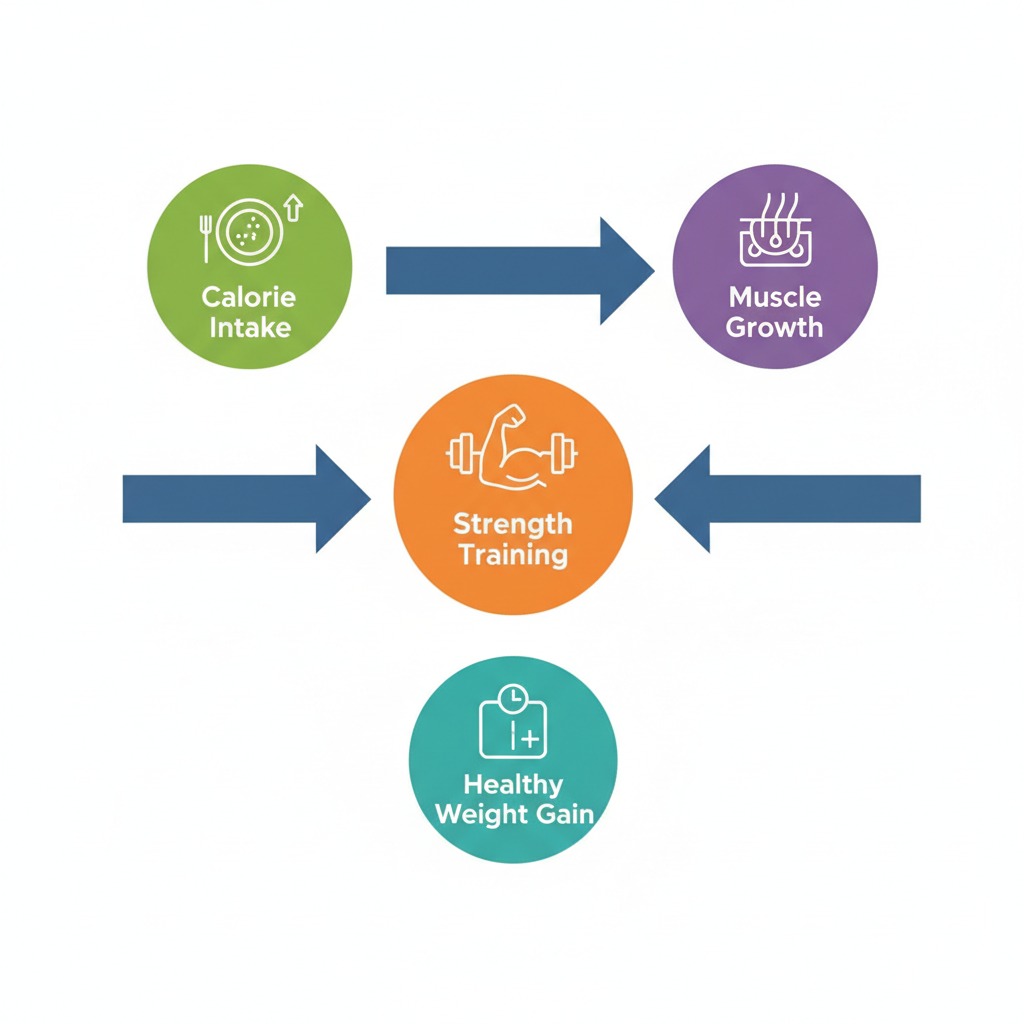
Many people assume that anyone who is underweight simply doesn’t eat enough food. In reality, body weight is influenced by many factors, and some individuals genuinely find it difficult to gain weight despite eating regular meals.
Understanding the reason behind your weight can help you choose the most effective strategy for healthy weight gain.
🔥 Fast Metabolism
Some people naturally burn calories more quickly than others. Their bodies require more energy simply to maintain their current weight, meaning they need to eat more calories before they begin gaining weight.
A fast metabolism can be influenced by genetics, age, body composition, hormone levels, and daily activity.
🏃 High Activity Levels
Athletes, manual workers, and highly active individuals burn significantly more calories throughout the day.
Even activities such as walking long distances, cycling to work, or standing for extended periods increase daily energy expenditure.
If these calories are not replaced through food, maintaining or increasing body weight becomes much more difficult.
🥗 Poor Appetite
Busy lifestyles, stress, anxiety, illness, medications, and digestive problems may reduce appetite, making it difficult to consume enough calories consistently.
For these individuals, increasing the calorie density of meals often works better than simply trying to eat larger portions.
🧬 Genetics
Genetics influence body shape, metabolism, and muscle-building potential.
While you cannot change your genetics, you can still improve body composition by following healthy eating habits and participating in regular strength training.
🩺 Medical Conditions
Sometimes unexplained weight loss or difficulty gaining weight may be related to an underlying medical condition.
Digestive disorders, thyroid disease, diabetes, chronic infections, or certain medications can all affect body weight.
If you’re losing weight without trying or experiencing persistent symptoms such as fatigue, digestive problems, or unexplained illness, it’s important to consult a qualified healthcare professional for assessment.
👩⚕️ Dietitian Tip
If you struggle to eat large meals, don’t force yourself. Instead, focus on increasing the nutritional value of smaller meals by adding calorie-dense ingredients such as peanut butter, avocado, nuts, seeds, olive oil, or milk.
💡 Did You Know?
People with more muscle generally burn slightly more calories at rest than people with less muscle because muscle tissue requires more energy to maintain.
🔗 Related Articles
- Calories in Peanut Butter
- Calories in Milk
- Calories in Banana
- Calories in Mango Shake
- Calories in White Rice
- Calories in Chicken Biryani
- Calories in Chapli Kebab
- Calories in Paratha
- Is Paratha Good for Weight Gain?
- Calories in Omelette
Recommended Guides
→ Best Foods to Help You Gain Weight Naturally
→ High-Calorie Foods for Weight Gain
→ Is Peanut Butter Good for Weight Gain?