
How Long Does Healthy Weight Gain Actually Take?
One of the biggest questions people ask when starting their weight gain journey is “How long does it actually take to gain weight?” The answer depends on several factors, including your metabolism, daily calorie intake, activity level, genetics and overall health.
Healthy weight gain is a gradual process. While it can be tempting to gain weight as quickly as possible, gaining too fast often leads to increased body fat rather than muscle. A slow, steady approach is generally the healthiest and most sustainable.
How Fast Can You Gain Weight?
For most healthy adults, a realistic goal is:
| Goal | Recommended Rate |
|---|---|
| Healthy Weight Gain | 0.25–0.5 kg per week |
| Muscle Gain | 0.2–0.4 kg per week |
| Aggressive Weight Gain | Up to 1 kg per week (mostly fat) |
Most nutrition experts recommend aiming for 0.25–0.5 kg (0.5–1 lb) per week.
How Long Does It Take?
| Weight Gain Goal | Estimated Time |
|---|---|
| Gain 2 kg | 1–2 months |
| Gain 5 kg | 2–5 months |
| Gain 10 kg | 5–10 months |
Everyone progresses at a different pace. Consistency matters far more than speed.
What Affects Weight Gain?
Several factors influence how quickly you gain weight:
- Your metabolism.
- Daily calorie intake.
- Protein consumption.
- Strength training.
- Sleep quality.
- Stress levels.
- Medical conditions.
- Genetics.
People with naturally fast metabolisms often require more calories to see progress.
How Many Extra Calories Do You Need?
A moderate calorie surplus is usually recommended.
| Daily Calorie Surplus | Expected Progress |
|---|---|
| 250 Calories | Slow, lean weight gain |
| 500 Calories | Moderate healthy weight gain |
| 700–1000 Calories | Faster weight gain (more body fat likely) |
A surplus of 300–500 calories per day is generally considered ideal for most people.
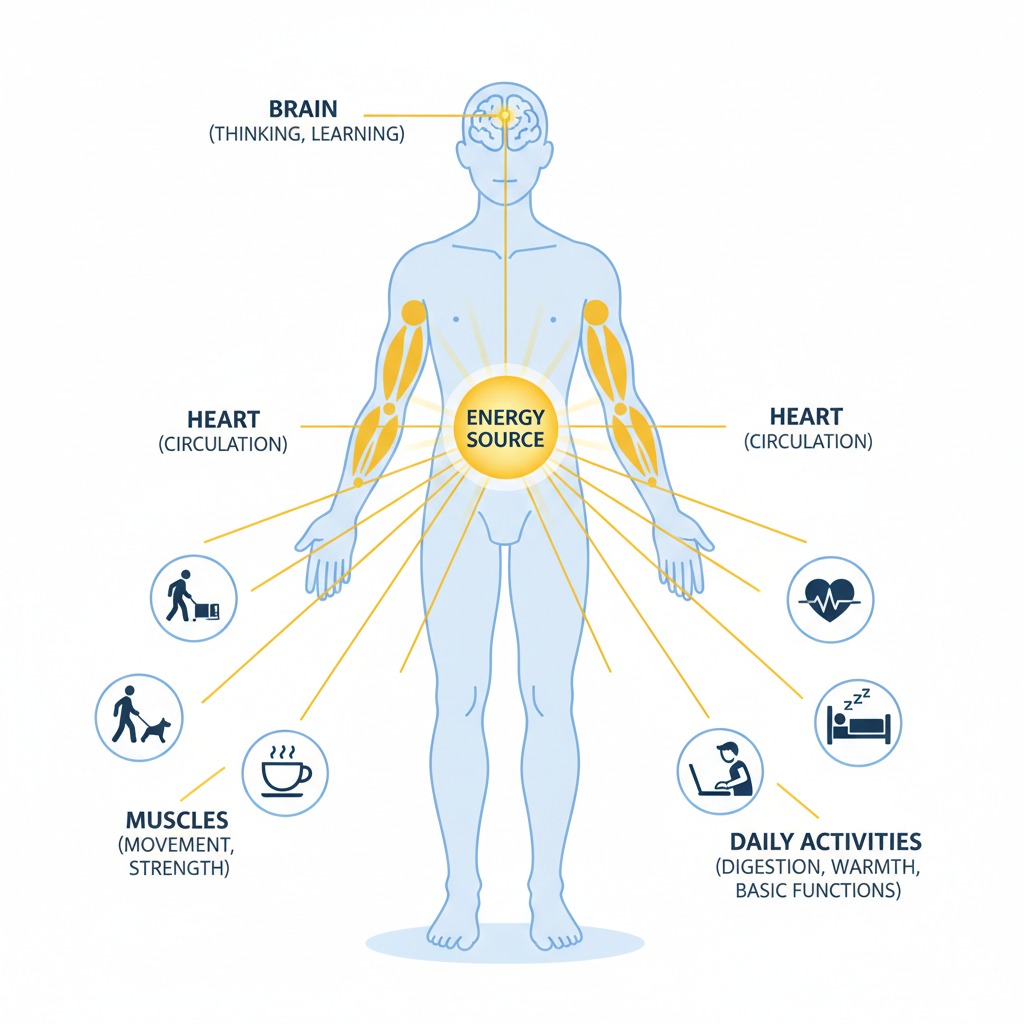
Building Muscle vs Gaining Fat
Not all weight gain is the same.
Healthy weight gain should focus on increasing:
- Muscle mass.
- Strength.
- Bone density.
- Energy levels.
Rather than simply increasing body fat.
Combining strength training with adequate protein intake helps ensure more of the weight gained comes from muscle.
Signs You’re Making Good Progress
Healthy weight gain often includes:
- Gradual increase on the scale.
- Improved strength.
- Better energy levels.
- Clothes fitting more comfortably.
- Increased muscle size.
- Better workout performance.
Progress photos and body measurements can sometimes show improvements before the scale changes.
Common Mistakes That Slow Progress
Avoid these common mistakes:
- Skipping meals.
- Not eating enough protein.
- Inconsistent calorie intake.
- Relying on junk food.
- Not strength training.
- Poor sleep habits.
- Giving up too early.
Weight gain takes patience and consistency.
Tips to Gain Weight Faster (The Healthy Way)
To support healthy progress:
- Eat 5–6 meals per day.
- Include protein with every meal.
- Choose calorie-dense foods.
- Drink smoothies and milk.
- Lift weights regularly.
- Track your calories.
- Get at least 7–9 hours of sleep.
Small daily habits often produce the biggest long-term results.
Expert Tip
Don’t become discouraged if the scale doesn’t change every week. Body weight naturally fluctuates due to hydration, food intake and other factors. Focus on your weekly average rather than daily changes, and stay consistent with your nutrition plan.
People Also Ask
How long does it take to gain 5 kg?
For most people, gaining 5 kg in a healthy way takes approximately 2–5 months, depending on calorie intake and activity level.
Can I gain weight in one month?
Yes. Many people can gain 1–2 kg in one month with a consistent calorie surplus and proper nutrition.
Why am I not gaining weight even though I eat a lot?
Possible reasons include a fast metabolism, high activity levels, inconsistent calorie intake or certain medical conditions. Tracking your food intake can help identify whether you’re eating enough.
Is gaining weight too quickly unhealthy?
Yes. Rapid weight gain often results in increased body fat rather than muscle. A slower approach is usually healthier and more sustainable.
What is the healthiest rate of weight gain?
Most experts recommend gaining 0.25–0.5 kg per week for long-term healthy results.
External Reference
Health organizations such as the NHS and sports nutrition experts generally recommend a gradual calorie surplus combined with resistance training for healthy and sustainable weight gain.
Final Thoughts
Healthy weight gain doesn’t happen overnight. Building muscle and increasing body weight safely requires patience, consistency and the right nutrition. Instead of chasing quick results, focus on creating sustainable habits that support long-term health. With a balanced diet, adequate protein, regular exercise and a moderate calorie surplus, you’ll be much more likely to achieve lasting success.
Related Searches
- How long does weight gain take?
- Healthy weight gain timeline
- How fast can you gain weight?
- Weight gain progress
- Muscle gain timeline
- Healthy weight gain tips
Internal Links
- How Many Calories Do You Need to Gain Weight?
- Best Foods to Help You Gain Weight
- Best Bedtime Snacks for Weight Gain
- How to Gain Weight with a Fast Metabolism
Leave a Reply