
🌟 Hero Summary
Water is essential for almost every function in your body. It helps regulate body temperature, transport nutrients, support digestion, lubricate joints, and remove waste. Yet many people don’t think about hydration until they feel thirsty.
Staying hydrated doesn’t mean drinking excessive amounts of water. Instead, it’s about regularly replacing the fluids your body naturally loses throughout the day. This guide explains why hydration matters, common signs of dehydration, and simple ways to make drinking enough water part of your daily routine.
📌 Quick Takeaways
✅ Water supports nearly every function in the body.
✅ Your hydration needs vary depending on your age, activity level, climate, and overall health.
✅ Thirst is one sign you may need fluids, but it shouldn’t be the only signal you rely on.
✅ Foods like fruit and vegetables also contribute to hydration.
✅ Drinking water regularly throughout the day is often easier than trying to drink large amounts at once.
Why Is Hydration Important?
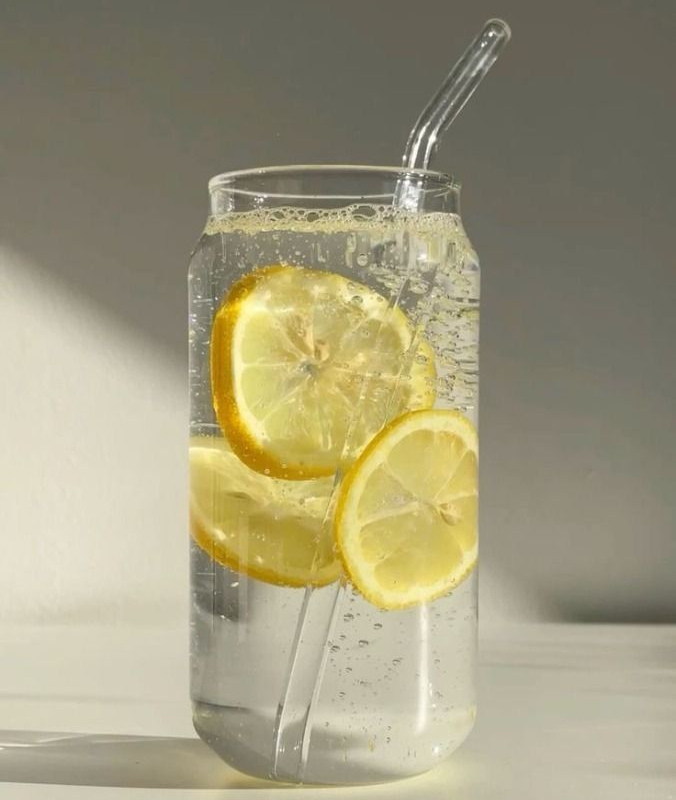
Water makes up a large percentage of the human body and is involved in many essential processes.
Staying properly hydrated helps:
💧 Regulate body temperature.
🩸 Transport nutrients and oxygen.
🧠 Support normal brain function.
💪 Maintain physical performance.
🦴 Lubricate joints.
🍽️ Aid digestion.
🚽 Remove waste through urine and sweat.
Even mild dehydration can make you feel tired, reduce concentration, and affect physical performance.
How Much Water Do You Need?
There is no single amount of water that suits everyone.
Your daily fluid needs depend on factors such as:
- Your age
- Your body size
- Physical activity
- Climate
- Overall health
- Pregnancy or breastfeeding
Rather than focusing on a fixed number of glasses each day, pay attention to your body’s signals and drink fluids regularly throughout the day.
Signs You May Need More Fluids
Your body provides several signs that it may be time to drink more water.
Common signs include:
🚰 Feeling thirsty.
👄 Dry mouth.
💛 Dark yellow urine.
😴 Feeling tired or sluggish.
🤕 Mild headaches.
If these symptoms continue or become severe, seek advice from a healthcare professional.
Water Isn’t Your Only Source of Hydration
Although water is usually the best choice for staying hydrated, many foods and drinks also contribute to your daily fluid intake.
Examples include:
🍉 Watermelon
🍊 Oranges
🥒 Cucumber
🥣 Soup
🥛 Milk
☕ Coffee
🍵 Tea
These can all help contribute to hydration, although water remains the simplest choice for most people.
Does Coffee or Tea Cause Dehydration?

Many people believe coffee and tea are dehydrating.
In reality, moderate amounts of coffee and tea still contribute to your daily fluid intake despite containing caffeine.
If you regularly drink caffeinated beverages, they can generally be included as part of a balanced hydration routine.
Tips for Staying Hydrated
Simple habits can make staying hydrated much easier.
✔ Carry a reusable water bottle.
✔ Drink water with meals.
✔ Drink before, during and after exercise.
✔ Eat water-rich fruits and vegetables.
✔ Keep water nearby while working or studying.
✔ Increase fluid intake during hot weather.
Building these habits gradually is often more effective than trying to dramatically increase your water intake overnight.
Hydration During Exercise
Physical activity increases fluid loss through sweat.
The longer or more intense your activity, the more important it becomes to replace lost fluids.
Drinking water before and after exercise is usually sufficient for most everyday activities.
Long-duration or high-intensity exercise may require additional fluids and electrolytes, depending on individual circumstances.
Common Hydration Myths
❌ Everyone must drink exactly 8 glasses of water every day.
Fluid needs vary between individuals.
❌ Coffee always causes dehydration.
Moderate coffee intake still contributes to overall fluid intake.
❌ You should only drink when you’re thirsty.
Thirst is helpful, but drinking fluids regularly throughout the day can make it easier to stay hydrated.
❌ Clear urine always means perfect hydration.
Urine colour can provide a general guide, but it isn’t the only indicator of hydration status.
💡 Did You Know?
Many fruits and vegetables are made up of more than 80–90% water, making them excellent additions to a balanced diet while also supporting hydration.
📝 Quick Summary
Hydration is an important part of overall health. Water supports essential body functions, helps regulate temperature, and contributes to physical and mental performance. By drinking fluids regularly, eating water-rich foods, and paying attention to your body’s signals, you can maintain healthy hydration habits every day.
Frequently Asked Questions
Is water better than soft drinks?
Water is generally the best choice for hydration because it contains no added sugar or calories.
Can I drink too much water?
Yes. Although uncommon, drinking excessive amounts of water in a short period can be harmful. Most people can simply drink according to their thirst and daily needs.
Do fruits count towards hydration?
Yes. Many fruits and vegetables contain significant amounts of water and contribute to your daily fluid intake.
Does milk help with hydration?
Yes. Milk contains water along with protein, calcium and other nutrients, making it one of the beverages that contributes to daily hydration.
Is sparkling water as hydrating as still water?
Yes. Plain sparkling water hydrates the body in much the same way as still water.
Continue Your Nutrition Journey
Explore more beginner-friendly guides:
- Understanding Calories
- Healthy Weight Loss Guide
- Healthy Weight Gain Guide
- Portion Size Guide
- Meal Planning Basics
- Reading Food Labels
- Macronutrients Explained
You can also explore calorie guides for:
Trusted Sources
- World Health Organization (WHO)
- NHS (UK)
- Harvard T.H. Chan School of Public Health
- European Food Safety Authority (EFSA)