
BMI Explained
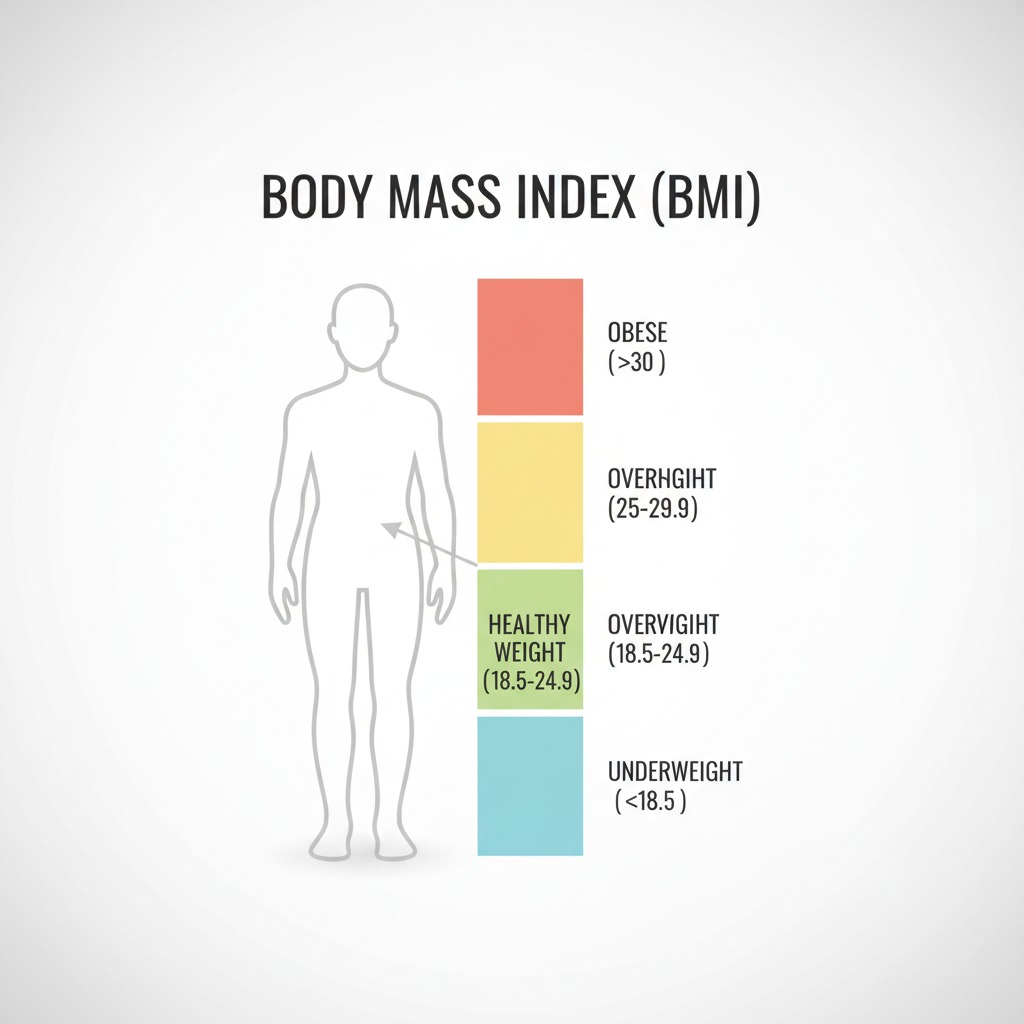
Body Mass Index (BMI) is a simple measurement that estimates whether your weight is healthy for your height. It is one of the most commonly used screening tools by healthcare professionals to identify whether a person is underweight, at a healthy weight, overweight or living with obesity.
Although BMI does not directly measure body fat, it provides a useful starting point for assessing overall health and potential weight-related risks.
BMI Categories
| BMI Range | Weight Category |
|---|---|
| Below 18.5 | Underweight |
| 18.5 – 24.9 | Healthy Weight |
| 25.0 – 29.9 | Overweight |
| 30.0 – 34.9 | Obesity Class I |
| 35.0 – 39.9 | Obesity Class II |
| 40+ | Obesity Class III |
Tip: A healthy BMI for most adults falls between 18.5 and 24.9.
How Is BMI Calculated?
The BMI formula is:
BMI = Weight (kg) ÷ Height² (m²)
Example:
| Height | Weight | BMI |
|---|---|---|
| 1.75 m | 70 kg | 22.9 |
Many people prefer using a BMI calculator rather than calculating it manually.
Why Is BMI Important?
BMI helps healthcare professionals identify possible health risks associated with body weight.
A healthy BMI is generally linked to a lower risk of:
- Heart disease.
- Type 2 diabetes.
- High blood pressure.
- Stroke.
- Certain cancers.
BMI should be considered alongside other health measurements such as waist circumference, blood pressure and lifestyle habits.
Healthy BMI by Age
| Group | Recommended BMI |
|---|---|
| Adults | 18.5–24.9 |
| Older Adults | Individual assessment recommended |
| Children & Teens | BMI-for-age percentiles are used |
BMI interpretation differs for children because growth and development vary with age.
Is BMI Accurate?
BMI is useful but has limitations.
It does not measure:
- Muscle mass.
- Body fat percentage.
- Bone density.
- Fat distribution.
For example, athletes with high muscle mass may have a high BMI despite having low body fat.
BMI and Weight Loss
If your BMI falls into the overweight or obesity category, gradual weight loss through healthy eating and regular exercise may reduce your risk of chronic diseases.
Healthy strategies include:
- Creating a moderate calorie deficit.
- Increasing physical activity.
- Eating more protein and fibre.
- Reducing sugary drinks and processed foods.
BMI and Weight Gain
People with a BMI below 18.5 may benefit from healthy weight gain by:
- Increasing calorie intake.
- Eating nutrient-dense foods.
- Including protein-rich meals.
- Performing strength training.
Healthy weight gain focuses on building lean muscle rather than gaining excess body fat.

Health Benefits of Maintaining a Healthy BMI
Maintaining a healthy BMI may help:
- Improve heart health.
- Lower diabetes risk.
- Increase energy levels.
- Reduce joint stress.
- Improve mobility.
- Support overall wellbeing.
A healthy lifestyle matters more than BMI alone.
What Can Affect BMI?
Several factors influence BMI and body weight, including:
- Genetics.
- Age.
- Diet.
- Physical activity.
- Medical conditions.
- Muscle mass.
BMI should always be interpreted in the context of overall health.
Smart Healthier Choices
Instead of:
- Crash dieting.
- Skipping meals.
- Extremely low-calorie diets.
Try:
- Balanced nutrition.
- Regular exercise.
- Adequate sleep.
- Drinking enough water.
- Sustainable eating habits.
Long-term healthy habits are more effective than quick fixes.
Expert Tip
BMI is an excellent screening tool but should not be used as the only measure of health. Combining BMI with healthy eating, regular exercise and medical advice provides a much more complete picture of overall wellbeing.
Related Searches
- BMI explained
- What is BMI
- Body Mass Index
- Healthy BMI
- BMI calculator
- BMI chart
People Also Ask
What is BMI?
BMI, or Body Mass Index, is a measurement that estimates whether your weight is healthy for your height.
What is a healthy BMI?
For most adults, a healthy BMI ranges from 18.5 to 24.9.
How do I calculate BMI?
BMI is calculated by dividing your weight in kilograms by your height in metres squared.
Is BMI always accurate?
No. BMI does not distinguish between muscle and fat, so it may not accurately reflect body composition for everyone.
Should I use a BMI calculator?
Yes. A BMI calculator provides a quick and simple estimate of your Body Mass Index without manual calculations.
External Reference
BMI categories are based on widely accepted international health guidelines. For personalised advice, consult a healthcare professional or refer to trusted public health organisations such as the World Health Organization (WHO) and national health authorities.
Final Thoughts
BMI is a simple and widely used tool for assessing whether your weight is appropriate for your height. While it has limitations, it remains a useful starting point for understanding your health. Combining BMI with healthy eating, regular exercise and professional medical guidance offers the best approach to long-term wellbeing.
Internal Links
- Calories in White Rice
- Calories in Chicken Pulao
- Calories in Chicken Biryani
- Calories in Daal
- Daily Calorie Needs Calculator
Leave a Reply