
🌟 Hero Summary
You’ve probably heard someone say they have a “fast metabolism” or a “slow metabolism.” While metabolism does influence how your body uses energy, it’s often misunderstood.
Your metabolism is the collection of processes that keep your body alive and functioning. It converts the food and drinks you consume into energy that powers everything from breathing and digestion to movement and exercise.
Understanding metabolism can help you make informed choices about nutrition, physical activity, and maintaining a healthy weight.
📌 Quick Takeaways
✅ Metabolism is how your body converts food into energy.
✅ Everyone has a metabolism—it never stops working.
✅ Age, body size, muscle mass, activity level and genetics all influence metabolism.
✅ Building muscle and staying active can support a healthy metabolism.
✅ There are no miracle foods that dramatically boost metabolism.
What Is Metabolism?
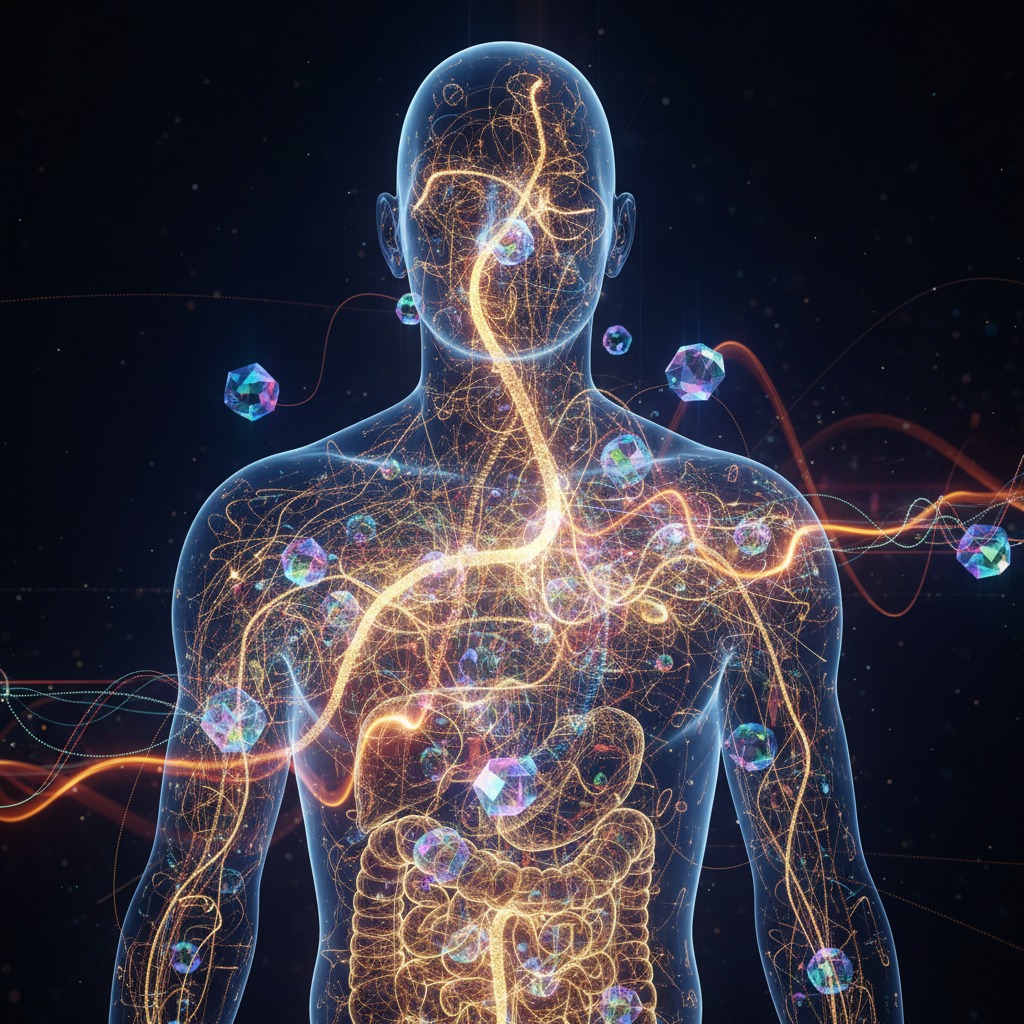
Metabolism refers to all the chemical processes your body performs to stay alive.
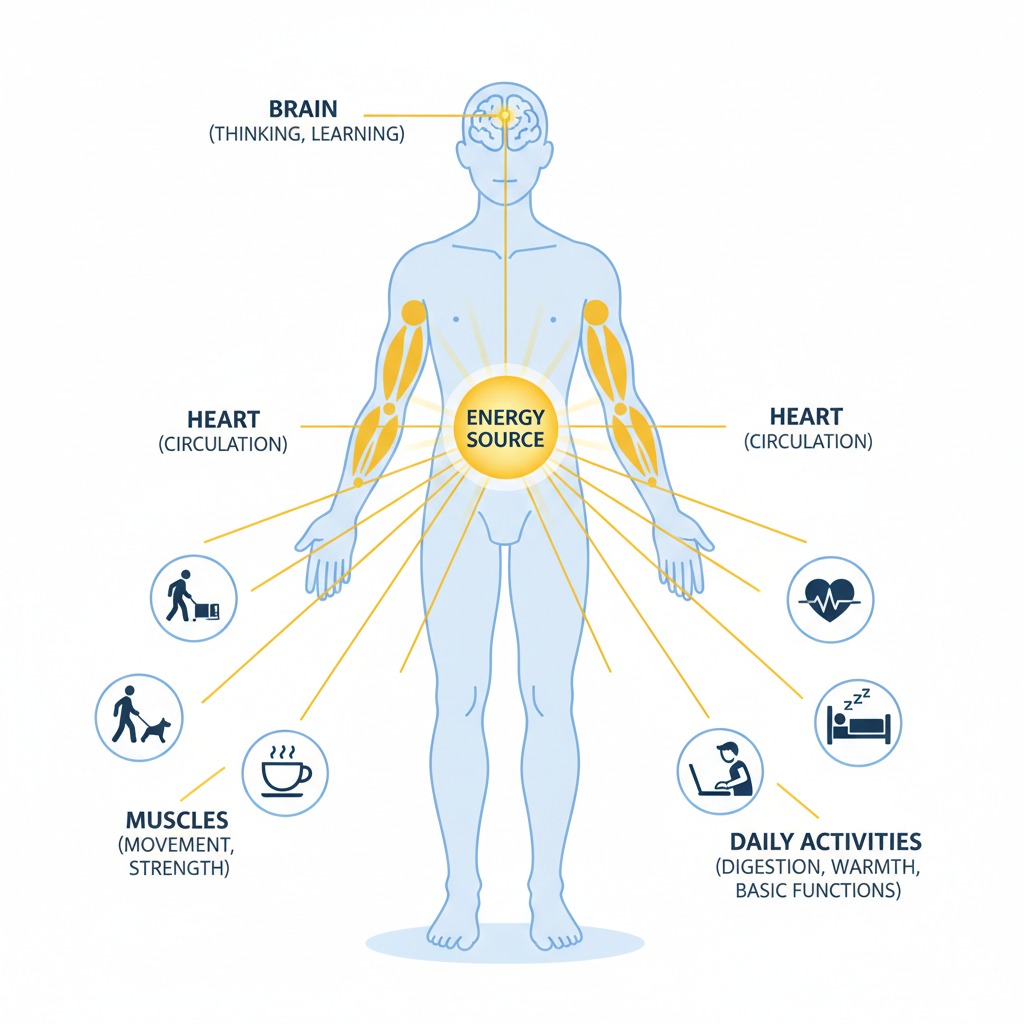
Every second of the day, your body is using energy to:
❤️ Pump blood.
🫁 Breathe.
🧠 Support brain function.
🌡️ Maintain body temperature.
🍽️ Digest food.
💪 Repair muscles and tissues.
Even while you’re sleeping, your body continues using calories to perform these essential functions.
Where Do Your Calories Go?
Many people think calories are only burned during exercise, but that’s only one part of the picture.
Your body uses energy for:
🛌 Basic Body Functions
Most of the calories you burn each day are used just to keep you alive.
These include:
- Breathing
- Heart function
- Brain activity
- Organ function
- Body temperature
🚶 Physical Activity
Walking, climbing stairs, working, exercising and everyday movement all increase calorie use.
Generally, the more active you are, the more energy your body requires.
🍽️ Digesting Food
Your body also uses energy to digest, absorb and process the food you eat.
This is sometimes called the thermic effect of food.
Although this contributes to your daily calorie expenditure, it represents a smaller portion compared with your body’s basic functions and physical activity.
What Affects Your Metabolism?
Several factors influence how much energy your body uses each day.
👤 Age
As people get older, metabolism may gradually slow, partly due to natural changes in muscle mass and activity levels.
💪 Muscle Mass
Muscle tissue requires more energy to maintain than fat tissue.
People with more muscle often burn slightly more calories at rest.
This is one reason strength training is encouraged as part of a healthy lifestyle.
🏃 Physical Activity
Regular movement increases daily energy expenditure.
This includes:
- Walking
- Housework
- Sports
- Strength training
- Cycling
Even small increases in daily activity can make a meaningful difference over time.
🧬 Genetics
Everyone is different.
Some people naturally burn slightly more or fewer calories due to genetics, but lifestyle habits still play a major role in overall health.
Can You Boost Your Metabolism?
Many products claim to dramatically increase metabolism, but there is limited evidence that any single food or supplement creates major long-term changes.
Instead, focus on habits that support a healthy metabolism:
✔ Stay physically active.
✔ Include strength training.
✔ Eat balanced meals.
✔ Get enough sleep.
✔ Stay hydrated.
These habits support overall health while helping your body function efficiently.
Common Metabolism Myths
❌ Thin people always have a fast metabolism.
Body weight is influenced by many factors including eating habits, activity levels, genetics and muscle mass.
❌ Certain foods melt body fat.
No single food can dramatically increase metabolism or cause significant weight loss on its own.
❌ Skipping meals speeds up weight loss.
Skipping meals may make it harder for some people to meet their nutritional needs and can increase hunger later in the day.
❌ Metabolism stops slowing after adulthood.
Metabolism changes throughout life and is influenced by several factors, including muscle mass and activity level.
Healthy Habits That Support Metabolism
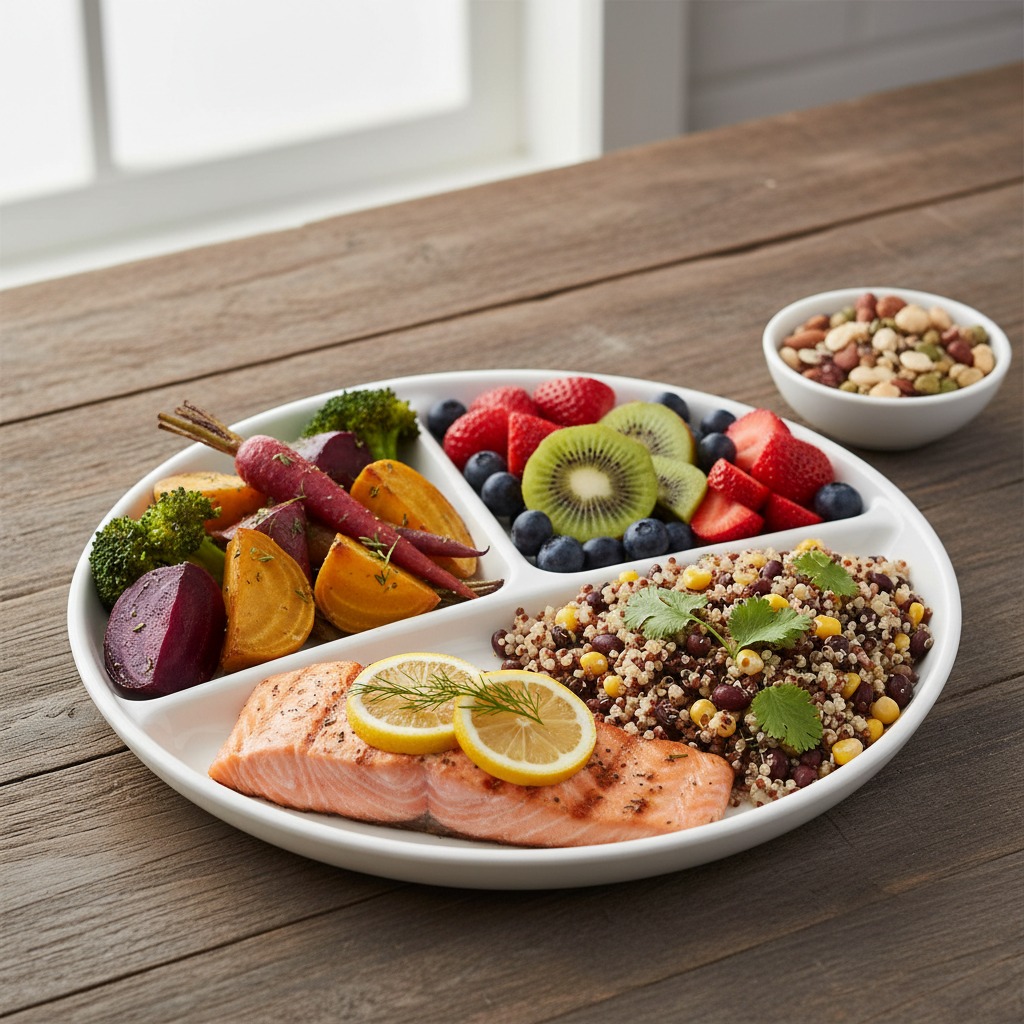
Instead of searching for quick fixes, focus on sustainable habits.
🥗 Eat balanced meals.
💪 Build and maintain muscle through resistance exercise.
🚶 Stay active throughout the day.
😴 Aim for regular, quality sleep.
💧 Drink enough water.
🍎 Include a variety of nutrient-rich foods.
These habits benefit overall health regardless of your age or fitness level.
💡 Did You Know?
Your brain uses energy even when you’re sitting quietly. Although it makes up only a small percentage of your body weight, it requires a constant supply of energy to function normally.
📝 Quick Summary
Metabolism is the process by which your body converts food into energy. It supports every essential function, from breathing and digestion to movement and exercise. While genetics influence metabolism, healthy habits such as regular physical activity, balanced nutrition, adequate sleep and strength training are practical ways to support your body’s natural energy needs.
Frequently Asked Questions
Is metabolism the same for everyone?
No. Metabolism varies depending on factors such as age, body size, muscle mass, genetics and activity level.
Does drinking water increase metabolism?
Water is essential for normal body functions and staying hydrated supports overall health, but it should not be viewed as a miracle metabolism booster.
Can exercise improve metabolism?
Regular physical activity, particularly strength training, can help maintain muscle mass, which contributes to daily energy expenditure.
Are metabolism supplements necessary?
Most people do not need supplements marketed for metabolism. A balanced diet and active lifestyle remain the foundation of good health.
Is a slow metabolism the only reason people gain weight?
No. Body weight is influenced by many factors, including eating habits, physical activity, sleep, medical conditions and genetics.
Continue Your Nutrition Journey
Explore more beginner-friendly guides:
- Understanding Calories
- Macronutrients Explained
- Healthy Weight Loss Guide
- Healthy Weight Gain Guide
- Hydration Guide
- Meal Planning Basics
- Portion Size Guide
- Reading Food Labels
You can also explore calorie guides for:
Trusted Sources
- World Health Organization (WHO)
- NHS (UK)
- Harvard T.H. Chan School of Public Health
- Academy of Nutrition and Dietetics