🌟 Hero Summary
Protein is one of the three main macronutrients your body needs every day. It helps build and repair muscles, supports your immune system, and plays an important role in maintaining healthy skin, bones, and organs.
Whether you’re trying to lose weight, gain muscle, recover after exercise, or simply eat a balanced diet, understanding protein can help you make healthier food choices.
The good news is that protein is found in many everyday foods, making it easy to include in a healthy eating pattern.
📌 Quick Takeaways
✅ Protein is one of the three essential macronutrients.
✅ It helps build and repair muscles and body tissues.
✅ Protein can help you feel full after meals.
✅ Both animal and plant foods provide protein.
✅ Most people can meet their protein needs through a balanced diet.
What Is Protein?
Protein is a nutrient made up of building blocks called amino acids.
Your body uses these amino acids to:
💪 Build muscles.
🩹 Repair body tissues.
🦴 Support bones.
🛡️ Help the immune system.
🧬 Produce enzymes and hormones.
Unlike carbohydrates and fats, your body doesn’t store large amounts of protein for later use. That’s why it’s important to include protein-rich foods regularly throughout the day.
Why Is Protein Important?
Protein supports many important functions beyond muscle growth.
Some of its key roles include:
✔ Repairing tissues after everyday wear and tear.
✔ Supporting healthy growth during childhood and adolescence.
✔ Helping maintain muscle as we get older.
✔ Contributing to healthy skin, hair and nails.
✔ Supporting normal immune function.
Protein works alongside carbohydrates and fats as part of a balanced diet.
Animal Sources of Protein

Many animal-based foods naturally provide high-quality protein.
Examples include:
🍗 Chicken
🥩 Lean beef
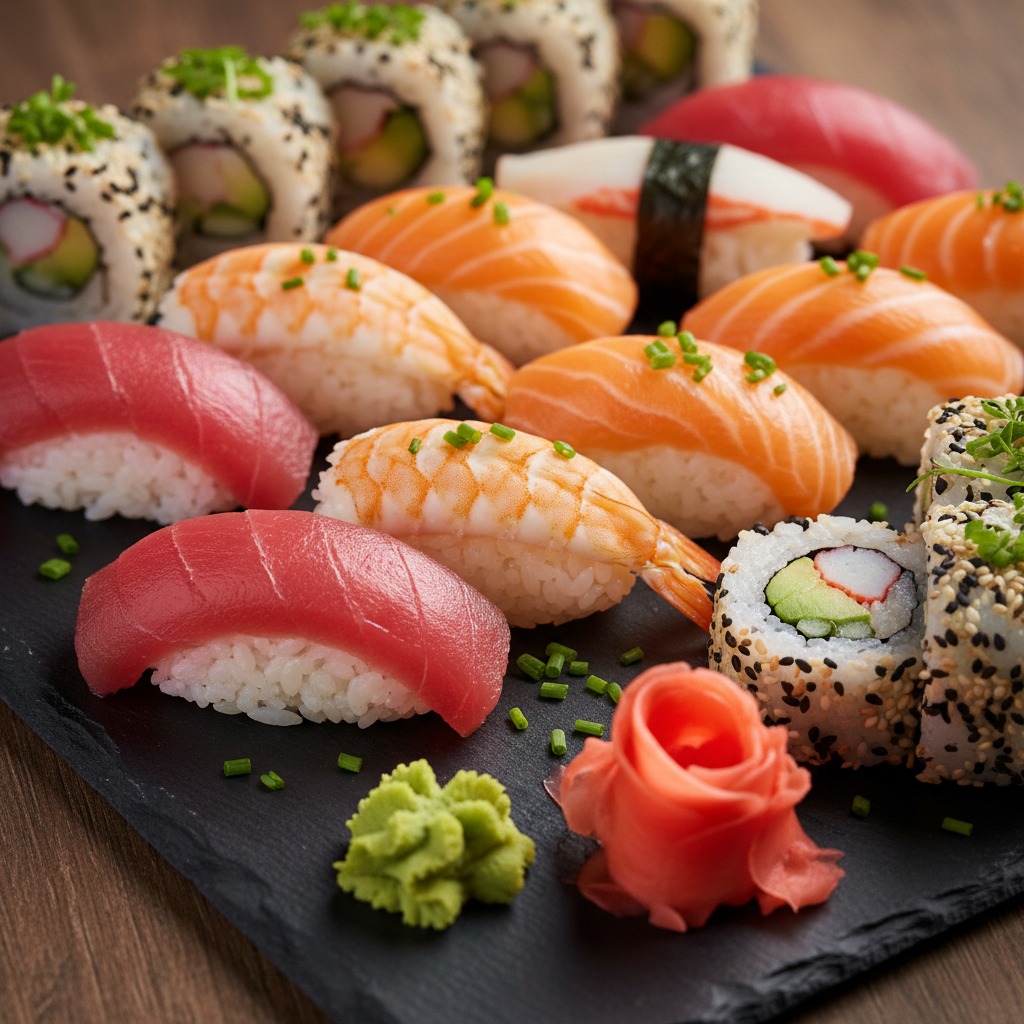
🐟 Fish
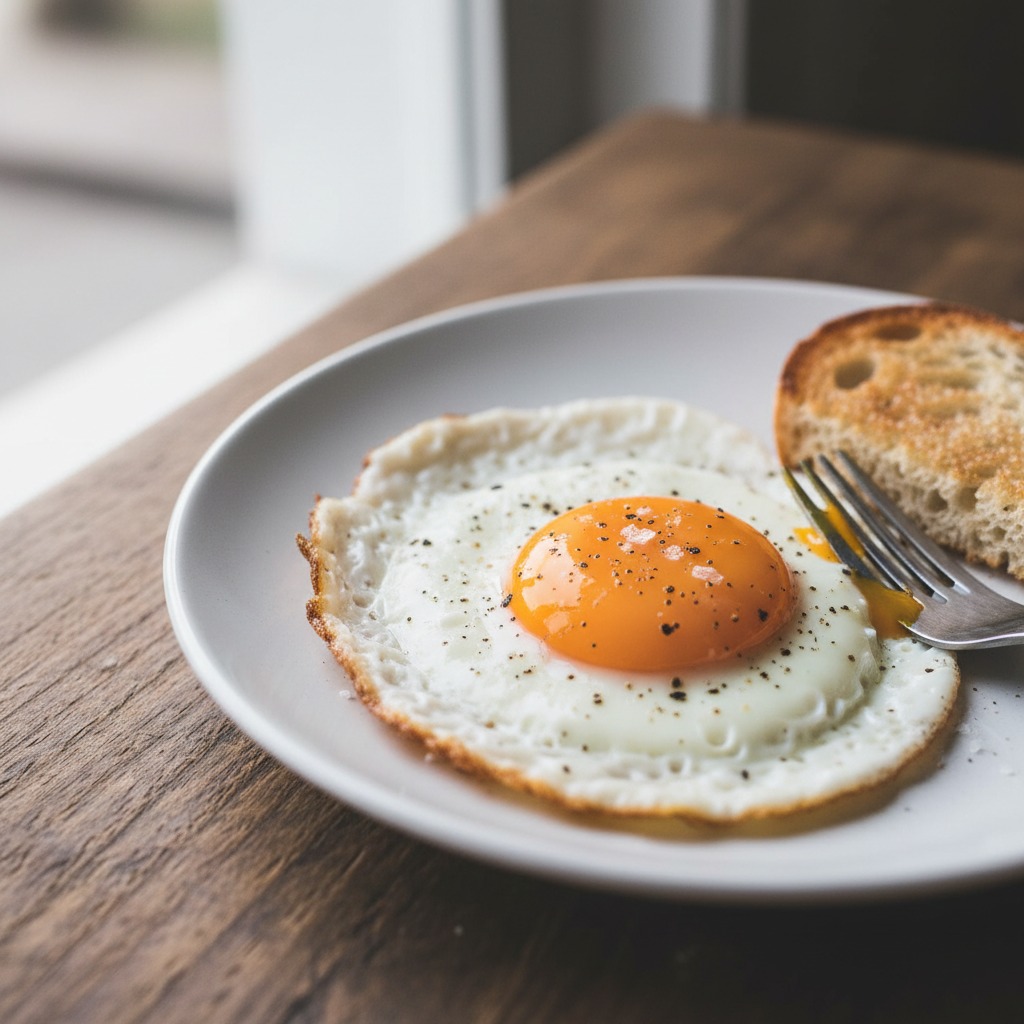
🥚 Eggs
🥛 Milk
🧀 Cheese
🥣 Yoghurt
These foods often provide other important nutrients such as calcium, vitamin B12, iron and zinc.
Plant Sources of Protein
Protein isn’t only found in meat.
Many plant foods also contain protein.
Examples include:
🫘 Lentils
🫛 Beans
🥜 Peanut butter
🥜 Nuts
🌱 Chickpeas
🌾 Quinoa
🥣 Oats
Including a variety of plant foods can help create balanced and nutritious meals.
Protein and Weight Management
Protein can play a helpful role in both weight loss and healthy weight gain.
For Weight Loss
Including protein with meals may help increase feelings of fullness, making it easier for some people to manage their appetite as part of a balanced eating pattern.
For Healthy Weight Gain
Protein supports muscle growth when combined with regular strength or resistance exercise and an overall calorie surplus.
The goal isn’t simply to eat more protein—it’s to combine it with balanced nutrition and an active lifestyle.
Easy Ways to Add More Protein
Adding protein to your meals doesn’t need to be complicated.
Simple ideas include:
🥚 Add eggs to breakfast.
🥛 Drink a glass of milk with meals.
🥣 Enjoy Greek yoghurt as a snack.
🍗 Include chicken or fish at lunch or dinner.
🫘 Add beans or lentils to soups and salads.
🥜 Spread peanut butter on wholegrain toast.
Small changes like these can make it easier to include protein throughout the day.
Can You Eat Too Much Protein?
Protein is an important part of a healthy diet, but balance is key.
Eating a variety of foods—including fruits, vegetables, whole grains and healthy fats—helps ensure your body receives all the nutrients it needs.
For most healthy people, meeting protein needs through food is sufficient without relying on supplements.
If you have kidney disease or another medical condition affecting protein intake, follow the advice of your healthcare professional.
Common Protein Myths
❌ Protein is only for bodybuilders.
Everyone needs protein every day, regardless of age or activity level.
❌ Only meat contains protein.
Many plant foods also provide protein.
❌ More protein is always better.
Your body benefits from a balanced diet rather than excessive amounts of any single nutrient.
❌ Protein supplements are necessary.
Many people can meet their protein needs through everyday foods without supplements.
Protein-Rich Foods at a Glance
| Food | Good Source of Protein |
|---|---|
| Chicken | ✅ |
| Eggs | ✅ |
| Fish | ✅ |
| Milk | ✅ |
| Greek Yoghurt | ✅ |
| Cheese | ✅ |
| Lentils | ✅ |
| Beans | ✅ |
| Peanut Butter | ✅ |
| Oatmeal | Moderate |
| Rice | Small Amount |
💡 Did You Know?
Protein provides approximately 4 calories per gram, the same amount of energy as carbohydrates. Fat, by comparison, provides about 9 calories per gram.
📝 Quick Summary
Protein is an essential nutrient that supports muscle repair, growth, immune function and many other processes in the body. By including a variety of protein-rich foods in your meals, you can support your overall health without making nutrition complicated. A balanced diet that includes protein, carbohydrates and healthy fats remains the foundation of healthy eating.
Frequently Asked Questions
How much protein do I need each day?
Protein needs vary depending on age, body size, activity level and overall health. Most healthy people can meet their needs by eating a balanced diet that includes protein-rich foods throughout the day.
Is plant protein as good as animal protein?
Both can contribute to a healthy diet. Eating a variety of protein sources helps provide a wide range of nutrients.
Do I need protein after exercise?
Including protein after exercise can support muscle repair and recovery, especially when combined with regular physical activity.
Can I eat protein at every meal?
Yes. Including protein with meals is a simple way to help create balanced eating patterns.
Are protein shakes necessary?
Not usually. Most people can obtain enough protein through everyday foods. Protein supplements may be useful in certain situations but are not essential for everyone.
Continue Your Nutrition Journey
Explore our Nutrition Learning Center:
- Understanding Calories
- Macronutrients Explained
- Healthy Weight Loss Guide
- Healthy Weight Gain Guide
- Portion Size Guide
- Meal Planning Basics
- Reading Food Labels
- Hydration Guide
- Metabolism Explained
You can also explore calorie guides for:
Trusted Sources
- World Health Organization (WHO)
- NHS (UK)
- Harvard T.H. Chan School of Public Health
- Academy of Nutrition and Dietetics