How Many Calories Do You Need to Gain Weight?
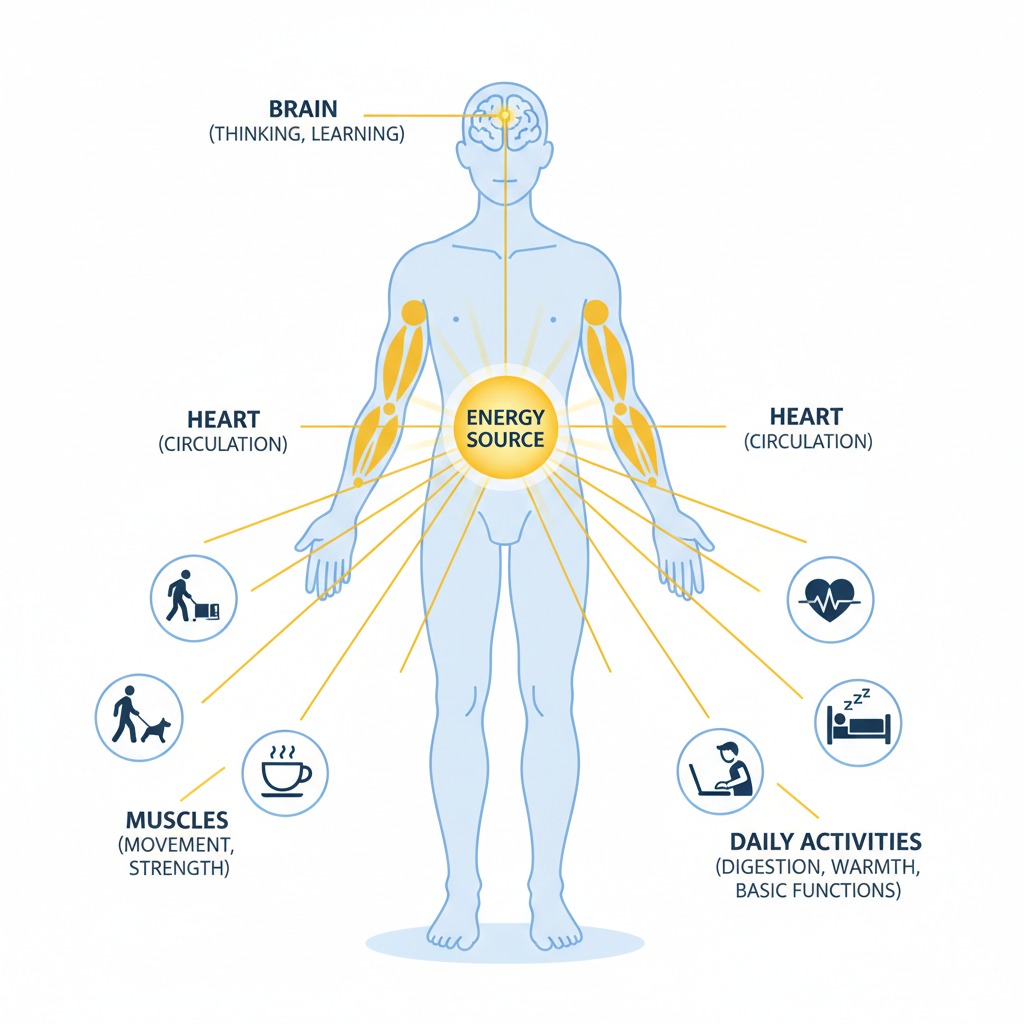
If you’re trying to gain weight, one of the most important questions is how many calories you need each day. The answer isn’t the same for everyone because it depends on factors such as your age, gender, height, weight, activity level and metabolism.
To gain weight, your body needs to consume more calories than it burns. This is known as a calorie surplus. When combined with strength training and a balanced diet, a calorie surplus helps build muscle and support healthy weight gain.
What Is a Calorie Surplus?
A calorie surplus means eating more calories than your body uses throughout the day.
| Goal | Daily Calorie Surplus |
|---|---|
| Slow Weight Gain | +250 calories |
| Moderate Weight Gain | +500 calories |
| Faster Weight Gain | +700–1,000 calories |
For most people, adding 300–500 extra calories per day is enough to promote steady and healthy weight gain.
Estimated Daily Calories for Weight Gain
The table below provides general estimates for adults.
| Activity Level | Women | Men |
|---|---|---|
| Sedentary | 2,000–2,300 kcal | 2,500–2,800 kcal |
| Moderately Active | 2,300–2,700 kcal | 2,800–3,200 kcal |
| Very Active | 2,700–3,000 kcal | 3,200–3,800 kcal |
These are only estimates. Your individual needs may be higher or lower depending on your body and lifestyle.
How to Calculate Your Calories
A simple way to estimate your needs is:
- Calculate your maintenance calories.
- Add 300–500 calories.
- Monitor your weight for 2–3 weeks.
- Adjust your intake if necessary.
If your weight isn’t increasing after a few weeks, you may need to increase your calorie intake further.
Where Should Your Calories Come From?
Healthy weight gain isn’t just about eating more—it’s about eating better.
Aim to include:
- Lean protein.
- Whole grains.
- Healthy fats.
- Dairy products.
- Fruits and vegetables.
- Nuts and seeds.
These foods provide calories along with essential nutrients.
High-Calorie Healthy Foods
| Food | Calories |
|---|---|
| Peanut Butter (2 tbsp) | 190 kcal |
| Mixed Nuts (50g) | 320 kcal |
| Whole Milk (1 Glass) | 150 kcal |
| Oatmeal with Milk | 330 kcal |
| Avocado | 240 kcal |
| Chicken Breast (150g) | 250 kcal |
These foods make it easier to increase calories without eating excessively large portions.
Don’t Forget Protein
Protein is essential for building muscle during weight gain.
Good protein sources include:
- Chicken.
- Fish.
- Eggs.
- Milk.
- Greek yogurt.
- Cottage cheese.
- Beans.
- Lentils.
Aim to include protein with every meal.
Common Mistakes
Many people struggle because they:
- Skip meals.
- Eat too little protein.
- Drink too many sugary drinks instead of nutritious foods.
- Forget healthy snacks.
- Don’t track calories.
- Expect results too quickly.
Consistency is more important than perfection.
Tips to Increase Calories Easily
Simple ways to increase calorie intake include:
- Eat 5–6 meals a day.
- Add peanut butter to toast.
- Drink milk instead of soft drinks.
- Include nuts as snacks.
- Add olive oil to meals.
- Blend fruit smoothies with yogurt.
Small additions throughout the day can make a big difference.
Expert Tip
Rather than trying to eat huge meals, focus on increasing your calories gradually. Most people find it much easier to add 300–500 calories each day through nutritious snacks than forcing themselves to eat excessively at mealtimes.
People Also Ask
How many extra calories should I eat to gain weight?
Most people should consume 300–500 extra calories per day to gain weight steadily and healthily.
Is 500 calories a day enough to gain weight?
Yes. A 500-calorie daily surplus is commonly recommended for moderate and sustainable weight gain.
How many calories do I need to gain 1 kg?
Approximately 7,700 extra calories are generally needed to gain 1 kilogram of body weight, although individual results vary.
Should I count calories when trying to gain weight?
Yes. Tracking calories helps ensure you’re consistently eating enough to make progress.
Can I gain weight without eating junk food?
Absolutely. Healthy weight gain is best achieved through nutrient-dense foods such as milk, nuts, whole grains, lean protein and healthy fats rather than processed fast food.
External Reference
For personalised calorie recommendations, readers can consult the Dietary Guidelines and use evidence-based calorie calculators based on age, weight, height and activity level.
Final Thoughts
Knowing how many calories you need is the foundation of healthy weight gain. Instead of guessing, aim for a moderate calorie surplus, choose nutritious foods and stay consistent with your eating habits. Combined with regular strength training and adequate sleep, the right calorie intake can help you gain weight safely and sustainably.
Related Searches
- Calories to gain weight
- Weight gain calorie calculator
- Calorie surplus
- Daily calories for weight gain
- Healthy weight gain calories
- How many calories should I eat?
Internal Links
- Best Foods to Help You Gain Weight Naturally
- Best Bedtime Snacks for Weight Gain
- How Long Does Healthy Weight Gain Actually Take?
- How to Gain Weight with a Fast Metabolism
Leave a Reply