

🌟 Hero Summary
Every food you eat contains nutrients that help your body function. Among the most important are macronutrients—protein, carbohydrates, and fats. These nutrients provide energy, support growth and repair, and play a vital role in maintaining overall health.
Understanding macronutrients doesn’t mean following a strict diet or counting every gram you eat. Instead, it helps you make informed food choices and build balanced meals that support your personal health goals.
Whether you’re trying to lose weight, gain muscle, maintain a healthy weight, or simply eat better, learning the basics of macronutrients is one of the best places to start.
📌 Quick Takeaways
✅ Macronutrients are the nutrients your body needs in the largest amounts.
✅ Protein helps build and repair muscles and body tissues.
✅ Carbohydrates are your body’s main source of energy.
✅ Healthy fats support hormones, brain function and vitamin absorption.
✅ A balanced diet includes all three macronutrients.
What Are Macronutrients?
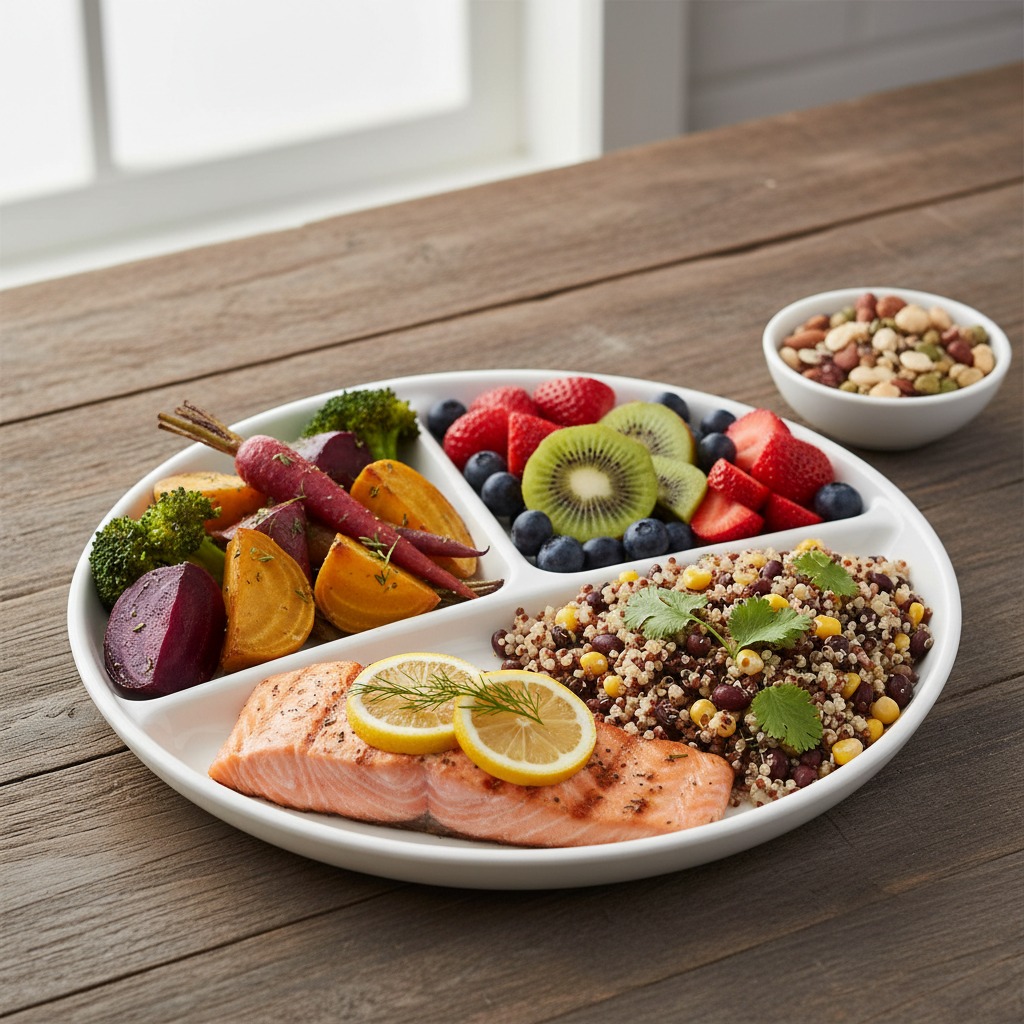
Macronutrients are nutrients that your body requires in relatively large amounts every day. Unlike vitamins and minerals, which are needed in smaller quantities, macronutrients provide the energy your body uses to perform daily activities.
There are three main macronutrients:
🥩 Protein
🍚 Carbohydrates
🥑 Fats
Each has a unique role, and none should be viewed as “good” or “bad.” A healthy eating pattern includes all three in appropriate amounts.
Protein: The Body’s Building Block
Protein is essential for building, repairing and maintaining body tissues. It plays an important role in muscle growth, immune function, skin health and many other processes.
Foods rich in protein include:
🥚 Eggs
🍗 Chicken
🐟 Fish
🥛 Milk and yoghurt
🧀 Cheese
🫘 Lentils and beans
🥜 Peanut butter
If you’re physically active or trying to build muscle, including protein with each meal can support recovery and muscle maintenance.
Carbohydrates: Your Main Energy Source
Carbohydrates provide the fuel your body prefers to use during daily activities and exercise. Rather than avoiding carbohydrates altogether, focus on choosing mostly whole or minimally processed sources.
Good carbohydrate sources include:
🍚 Rice
🥣 Oatmeal
🍝 Pasta
🍜 Noodles
🍌 Bananas
🥔 Potatoes
Whole-grain bread
Carbohydrates also provide dietary fibre, which supports healthy digestion and helps you feel fuller for longer.
Fats: Essential for Good Health
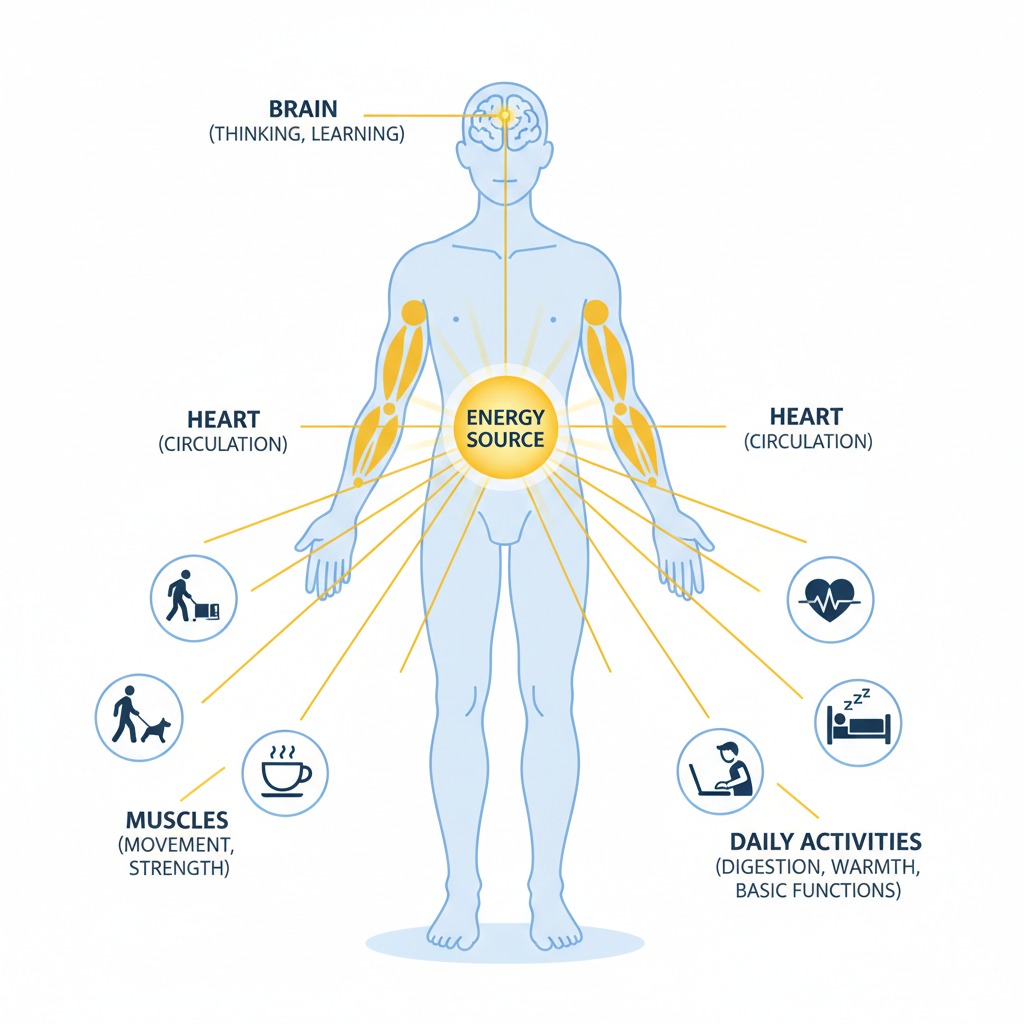
Dietary fat is often misunderstood, but healthy fats are an important part of a balanced diet.
Healthy fats help:
✔ Support brain function
✔ Produce hormones
✔ Protect organs
✔ Help absorb vitamins A, D, E and K
✔ Provide long-lasting energy
Healthy fat sources include:
🥑 Avocados
🥜 Nuts
🥜 Peanut butter
🫒 Olive oil
🌻 Seeds
🐟 Oily fish
The goal is not to avoid fat but to choose healthier sources more often.
Why Balance Matters
No single macronutrient is more important than the others. Your body performs best when meals contain a combination of protein, carbohydrates and healthy fats.
For example:
🍗 Grilled chicken provides protein.
🍚 Rice provides carbohydrates.
🥑 Avocado provides healthy fats.
Together, these foods create a balanced meal that supplies energy while supporting growth, recovery and overall health.
Example of a Balanced Plate
| Food | Main Macronutrient |
|---|---|
| Chicken Breast | Protein |
| Eggs | Protein |
| Rice | Carbohydrate |
| Pasta | Carbohydrate |
| Oatmeal | Carbohydrate |
| Avocado | Healthy Fat |
| Peanut Butter | Healthy Fat & Protein |
| Milk | Protein & Carbohydrate |
💡 Did You Know?
Your body uses approximately 4 calories per gram of protein, 4 calories per gram of carbohydrates, and 9 calories per gram of fat. This is one reason foods rich in healthy fats are naturally more calorie-dense.
📝 Quick Summary
Macronutrients are the foundation of every healthy eating pattern. Protein supports muscle repair and growth, carbohydrates provide energy for daily activities, and healthy fats help your body function properly. Rather than eliminating any one nutrient, aim to build balanced meals that include all three.
Frequently Asked Questions
Are carbohydrates bad for you?
No. Carbohydrates are your body’s preferred source of energy. Choosing whole grains, fruits and vegetables more often than highly processed foods is generally recommended.
Do I need protein at every meal?
Including a source of protein with each meal can help support muscle maintenance, recovery and satiety, particularly if you’re physically active.
Are all fats unhealthy?
No. Unsaturated fats found in foods such as avocados, nuts, seeds and olive oil are considered healthier choices when eaten as part of a balanced diet.
Which macronutrient has the most calories?
Fat provides about 9 calories per gram, while protein and carbohydrates each provide about 4 calories per gram.
Should I count my macronutrients?
Most people do not need to count every gram. Focusing on balanced meals and a varied diet is often enough to support good health.
Trusted Sources
- World Health Organization (WHO)
- NHS (UK)
- Harvard T.H. Chan School of Public Health
- USDA FoodData Central
Popular Articles