
Calories in Peanut Butter
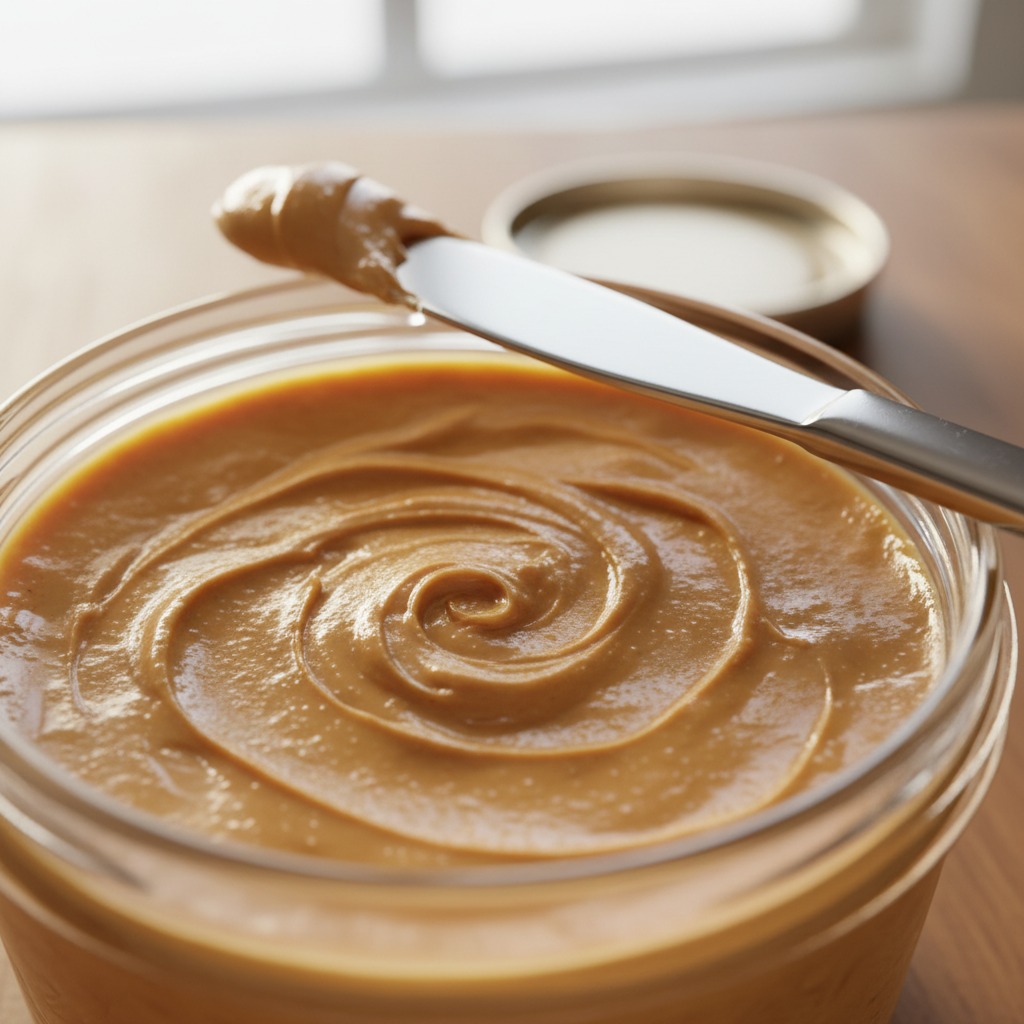
Peanut butter is one of the most popular spreads in the world and a favourite among athletes, fitness enthusiasts and anyone looking for a nutritious, energy-dense food. The calories in peanut butter come mainly from healthy fats, along with protein and a small amount of carbohydrates, making it an excellent choice for healthy weight gain and sustained energy.
Whether spread on toast, blended into smoothies or eaten straight from the spoon, peanut butter packs a lot of nutrition into a small serving.
Peanut Butter Calories by Serving
| Serving | Calories |
|---|---|
| 1 Teaspoon | 32 kcal |
| 1 Tablespoon | 95 kcal |
| 2 Tablespoons | 190 kcal |
| 50g | 295 kcal |
| 100g | 588 kcal |
Tip: Just two tablespoons of peanut butter provide nearly 200 calories, making it one of the easiest foods to increase daily calorie intake.
Nutrition Facts (2 Tablespoons)
| Nutrient | Amount |
|---|---|
| Calories | 190 kcal |
| Carbohydrates | 7g |
| Protein | 8g |
| Fat | 16g |
| Fibre | 2g |
| Sugar | 3g |
Natural peanut butter is rich in healthy monounsaturated fats and plant-based protein.
Calories by Peanut Butter Type
| Type | Calories |
|---|---|
| Natural Peanut Butter | 190 kcal |
| Smooth Peanut Butter | 190 kcal |
| Crunchy Peanut Butter | 195 kcal |
| Reduced-Fat Peanut Butter | 170 kcal |
| Chocolate Peanut Butter | 220 kcal |
Chocolate-flavoured varieties usually contain added sugar and slightly more calories.
Homemade vs Store-Bought Peanut Butter
| Type | Estimated Calories |
|---|---|
| Homemade Peanut Butter | 185–190 kcal |
| Natural Store-Bought | 190 kcal |
| Sweetened Peanut Butter | 200–220 kcal |
Natural peanut butter generally contains fewer additives and less sugar than sweetened versions.
Is Peanut Butter Good for Weight Loss?
Yes, when eaten in moderation.
Peanut butter may help with weight management because it:
- Is rich in healthy fats.
- Contains protein.
- Helps increase fullness.
- Reduces hunger between meals.
Portion control is important because it’s very calorie-dense.
Is Peanut Butter Good for Weight Gain?
Absolutely.
Peanut butter is one of the best foods for healthy weight gain because it provides:
- Plenty of calories.
- Healthy fats.
- Plant-based protein.
- Long-lasting energy.
Easy ways to include it:
- Spread on wholegrain toast.
- Add to smoothies.
- Mix into oatmeal.
- Eat with bananas or apples.
- Stir into yogurt.
Health Benefits
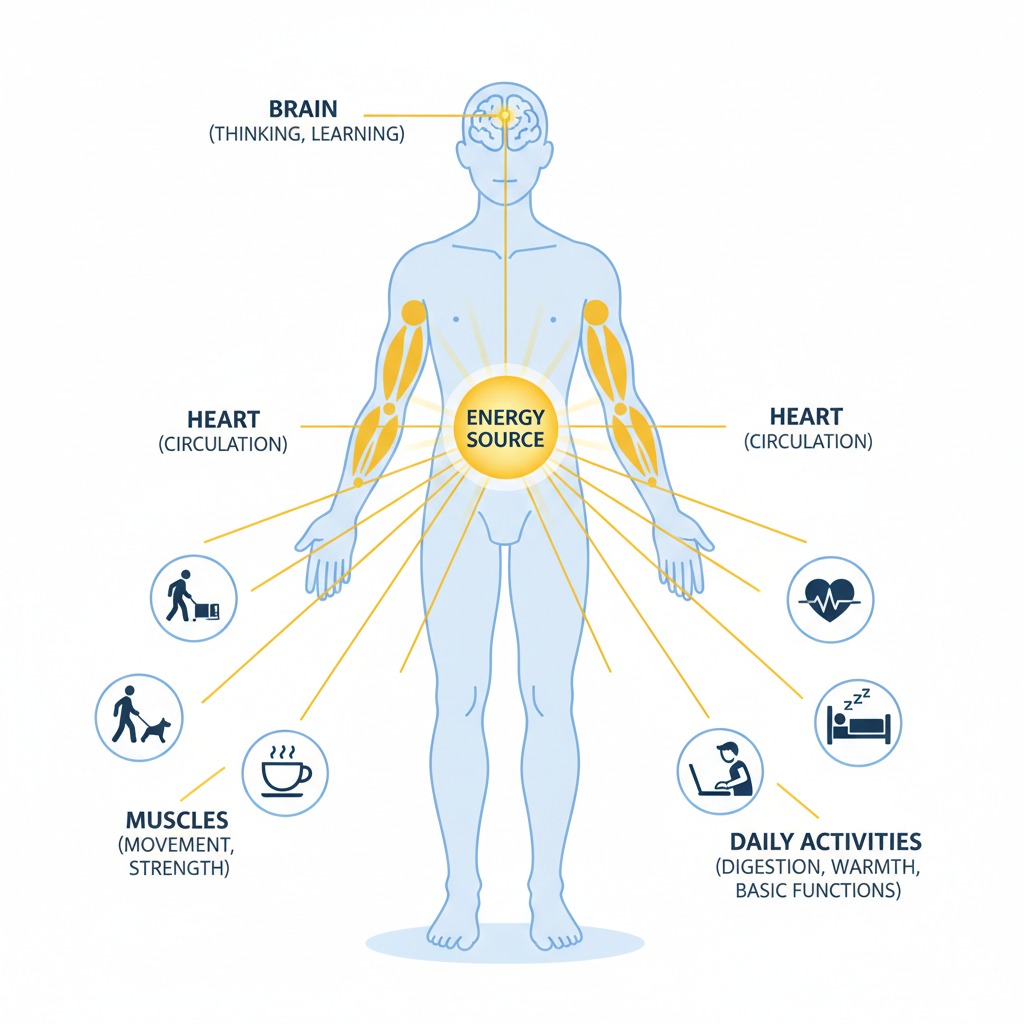
Peanut butter provides:
- Heart-healthy monounsaturated fats.
- Plant protein.
- Vitamin E.
- Magnesium.
- Niacin.
- Potassium.
Choosing natural peanut butter with no added sugar offers the greatest nutritional benefits.
What Increases the Calories?
Extra calories usually come from:
- Added sugar.
- Chocolate flavouring.
- Honey.
- Oils.
- Large serving sizes.
Natural peanut butter without added sugar is generally the healthiest option.
Smart Healthier Swaps
Instead of:
- Chocolate spread
Try:
- Natural peanut butter.
- Peanut butter with sliced banana.
- Peanut butter on wholegrain toast.
- Peanut butter in oatmeal.
These choices provide more protein and healthy fats while reducing added sugar.
Burn Those Calories
Approximately 190 calories (2 tablespoons) can be burned by:
| Activity | Time |
|---|---|
| Walking | 50 minutes |
| Cycling | 30 minutes |
| Running | 20 minutes |
| Swimming | 25 minutes |
Actual calorie burn depends on body weight and exercise intensity.
Expert Tip
If you’re trying to gain weight, adding just two tablespoons of peanut butter to your breakfast or smoothie every day can increase your weekly calorie intake by over 1,300 calories without requiring large meals.
Related Searches
- Peanut butter calories
- Peanut butter nutrition
- 2 tablespoons peanut butter calories
- Peanut butter protein
- Peanut butter for weight gain
- Natural peanut butter calories
People Also Ask
How many calories are in two tablespoons of peanut butter?
Two tablespoons of peanut butter contain approximately 190 calories.
Is peanut butter healthy?
Yes. Natural peanut butter provides healthy fats, protein, fibre and several important vitamins and minerals.
Is peanut butter good for weight gain?
Yes. Its high calorie content and healthy fats make it one of the best foods for healthy weight gain.
Can I eat peanut butter every day?
Yes. Moderate daily consumption can be part of a healthy diet, especially if you choose natural peanut butter without added sugar.
Is peanut butter high in protein?
Yes. Two tablespoons provide around 8 grams of protein, making it a good plant-based protein source.
External Reference
Nutrition values may vary slightly by brand. For the most accurate information, refer to the product label or the USDA FoodData Central database.
Final Thoughts
Peanut butter is one of the most nutrient-dense foods you can include in your diet. Rich in healthy fats, protein and essential nutrients, it’s an excellent option for healthy weight gain while also supporting heart health and long-lasting energy. Enjoy it in moderation and choose natural varieties whenever possible for the greatest nutritional benefits.
Internal Links
- How Many Calories Do You Need to Gain Weight?
- Best Foods to Help You Gain Weight
- How Long Does Healthy Weight Gain Actually Take?
- Best Bedtime Snacks for Weight Gain
- How to Gain Weight with a Fast Metabolism
- Daily Calorie Needs Calculator
Leave a Reply