
Calories in Sushi
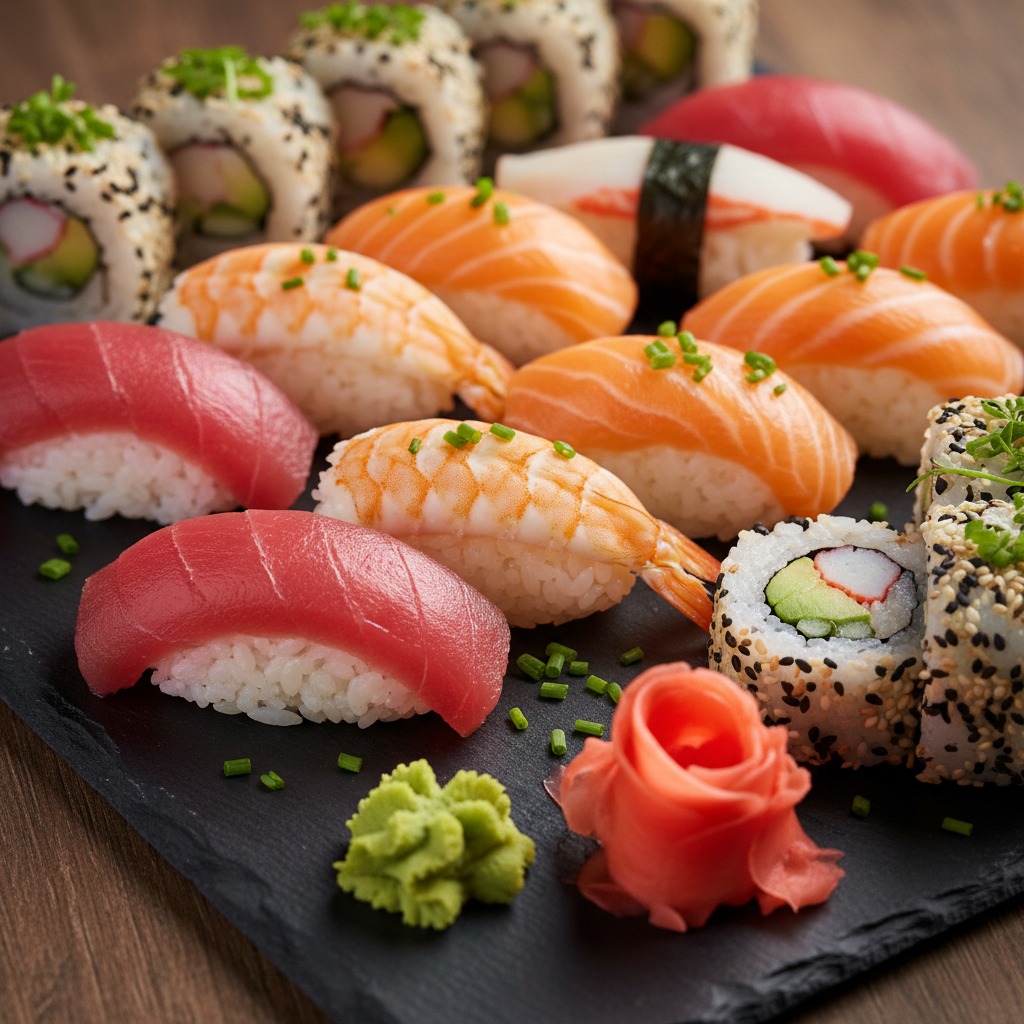
Sushi is one of the world’s most popular Japanese dishes, known for its fresh ingredients and variety of flavours. The calories in sushi depend on the type of sushi, fillings and serving size. Simple rolls made with fish and vegetables are relatively low in calories, while fried rolls, creamy sauces and mayonnaise can significantly increase the calorie content.
Whether you’re choosing sushi for a light lunch or a filling dinner, understanding the calories can help you make healthier choices.
Sushi Calories by Serving
| Serving | Calories |
|---|---|
| 1 Piece Nigiri | 55 kcal |
| 1 Piece Maki Roll | 35 kcal |
| 6-Piece Cucumber Roll | 140 kcal |
| 6-Piece Salmon Roll | 230 kcal |
| 8-Piece California Roll | 320 kcal |
| 8-Piece Tempura Roll | 520 kcal |
Tip: Fried sushi rolls usually contain nearly twice as many calories as traditional rolls.
Nutrition Facts (6-Piece Salmon Roll)
| Nutrient | Amount |
|---|---|
| Calories | 230 kcal |
| Carbohydrates | 28g |
| Protein | 11g |
| Fat | 8g |
| Fibre | 2g |
| Sodium | 420mg |
Sushi provides a balanced combination of carbohydrates, protein and healthy fats.
Calories by Sushi Type
| Type | Calories |
|---|---|
| Cucumber Roll | 140 kcal |
| Avocado Roll | 190 kcal |
| Salmon Roll | 230 kcal |
| Tuna Roll | 210 kcal |
| California Roll | 320 kcal |
| Tempura Roll | 520 kcal |
Simple fish or vegetable rolls are generally lower in calories than specialty rolls.
Homemade vs Restaurant Sushi
| Type | Estimated Calories |
|---|---|
| Homemade Sushi | 180–280 kcal |
| Sushi Restaurant Roll | 250–450 kcal |
| Specialty Fried Roll | 450–700 kcal |
Restaurant sushi often includes larger portions, sauces and crispy toppings that increase calories.
Is Sushi Good for Weight Loss?
Yes.
Sushi can be an excellent choice for weight loss when you:
- Choose grilled or raw fish.
- Pick vegetable or tuna rolls.
- Limit fried rolls.
- Go easy on mayonnaise-based sauces.
- Watch portion sizes.
Sushi made with lean fish provides protein while remaining relatively low in calories.
Is Sushi Good for Weight Gain?
Yes.
Higher-calorie sushi options include:
- Tempura rolls.
- California rolls.
- Rolls with avocado.
- Cream cheese rolls.
- Extra rice portions.
Pairing sushi with miso soup or edamame creates a balanced, satisfying meal.
Health Benefits
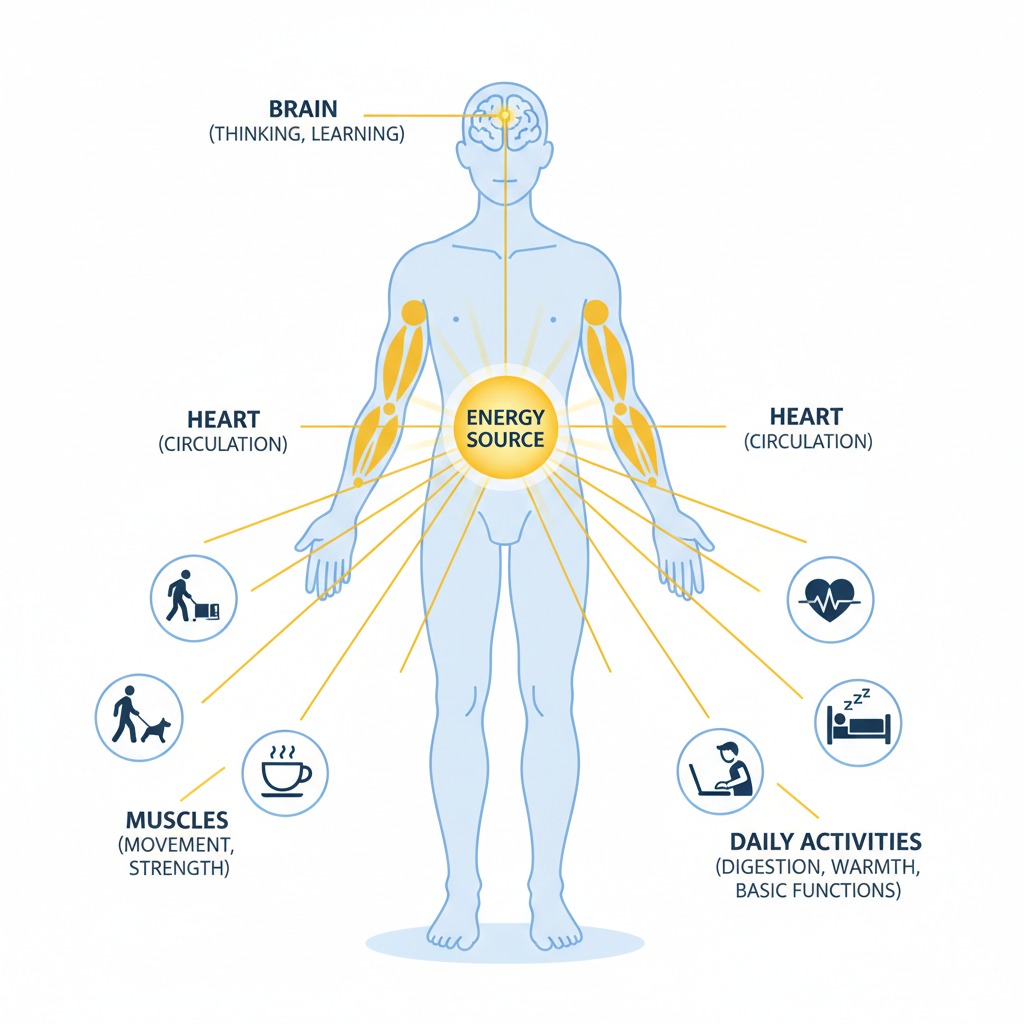
Sushi can provide:
- High-quality protein.
- Omega-3 fats (salmon and tuna).
- Vitamins and minerals.
- Iodine from seaweed.
- Healthy carbohydrates from rice.
Fish-based sushi is particularly rich in heart-healthy nutrients.
What Increases the Calories?
Extra calories usually come from:
- Tempura batter.
- Mayonnaise.
- Cream cheese.
- Sweet sauces.
- Extra rice.
- Fried toppings.
Choosing simpler rolls helps keep calories under control.
Smart Healthier Swaps
Instead of:
- Tempura sushi with spicy mayo
Try:
- Salmon roll.
- Tuna roll.
- Cucumber roll.
- Sashimi.
- Soy sauce in moderation.
These choices reduce calories while maintaining flavour.
Burn Those Calories
Approximately 320 calories (8-piece California roll) can be burned by:
| Activity | Time |
|---|---|
| Walking | 90 minutes |
| Cycling | 50 minutes |
| Running | 30 minutes |
| Swimming | 40 minutes |
Actual calorie burn depends on body weight and exercise intensity.
Expert Tip
If you’re eating sushi regularly, choose sashimi or simple rolls more often than specialty fried rolls. You’ll still enjoy the flavour while consuming fewer calories and more high-quality protein.
Related Searches
- Sushi calories
- California roll calories
- Salmon sushi calories
- Sushi nutrition
- Sushi roll calories
- Japanese food calories
People Also Ask
How many calories are in sushi?
The calorie content varies by type. A single piece of nigiri contains around 55 calories, while a California roll contains approximately 320 calories.
Is sushi healthier than fast food?
In many cases, yes. Traditional sushi provides lean protein, healthy fats and fewer calories than many fried fast foods.
Which sushi has the fewest calories?
Cucumber rolls, tuna rolls and sashimi are generally among the lowest-calorie sushi options.
Is sushi high in protein?
Yes. Sushi containing salmon, tuna or other fish provides a good source of high-quality protein.
Can I eat sushi while dieting?
Absolutely. Choosing simple rolls, sashimi and controlling portion sizes makes sushi a great option for many healthy eating plans.
External Reference
Nutritional values vary depending on the ingredients and preparation method. For the most accurate information, refer to the restaurant’s nutrition guide or the USDA FoodData Central database.
Final Thoughts
Sushi can be a nutritious and satisfying meal when prepared with fresh ingredients and sensible portions. Traditional fish and vegetable rolls are relatively low in calories and rich in protein, while fried specialty rolls can contain substantially more calories. Choosing simpler options allows you to enjoy sushi while supporting your health and nutrition goals.
Internal Links
- How Many Calories Do You Need to Gain Weight?
- Best Foods to Help You Gain Weight
- How Long Does Healthy Weight Gain Actually Take?
- Best Bedtime Snacks for Weight Gain
- How to Gain Weight with a Fast Metabolism
- Daily Calorie Needs Calculator
Leave a Reply