
🌟 Hero Summary
Meal planning is one of the easiest ways to eat healthier without making nutrition complicated. Instead of deciding what to eat at the last minute, meal planning helps you organise meals in advance, making grocery shopping, cooking and healthy eating much simpler.
You don’t need expensive ingredients or a strict schedule. Even planning a few meals ahead each week can save time, reduce food waste and help you stay consistent with your health goals.
Whether you’re aiming to lose weight, gain weight or simply eat a more balanced diet, meal planning can make everyday eating less stressful.
📌 Quick Takeaways
✅ Meal planning saves time during busy weeks.
✅ Planning meals can reduce unnecessary food waste.
✅ Balanced meals are easier to achieve when planned in advance.
✅ Meal planning may help reduce impulse food choices.
✅ Start with just a few planned meals rather than planning every meal.
What Is Meal Planning?
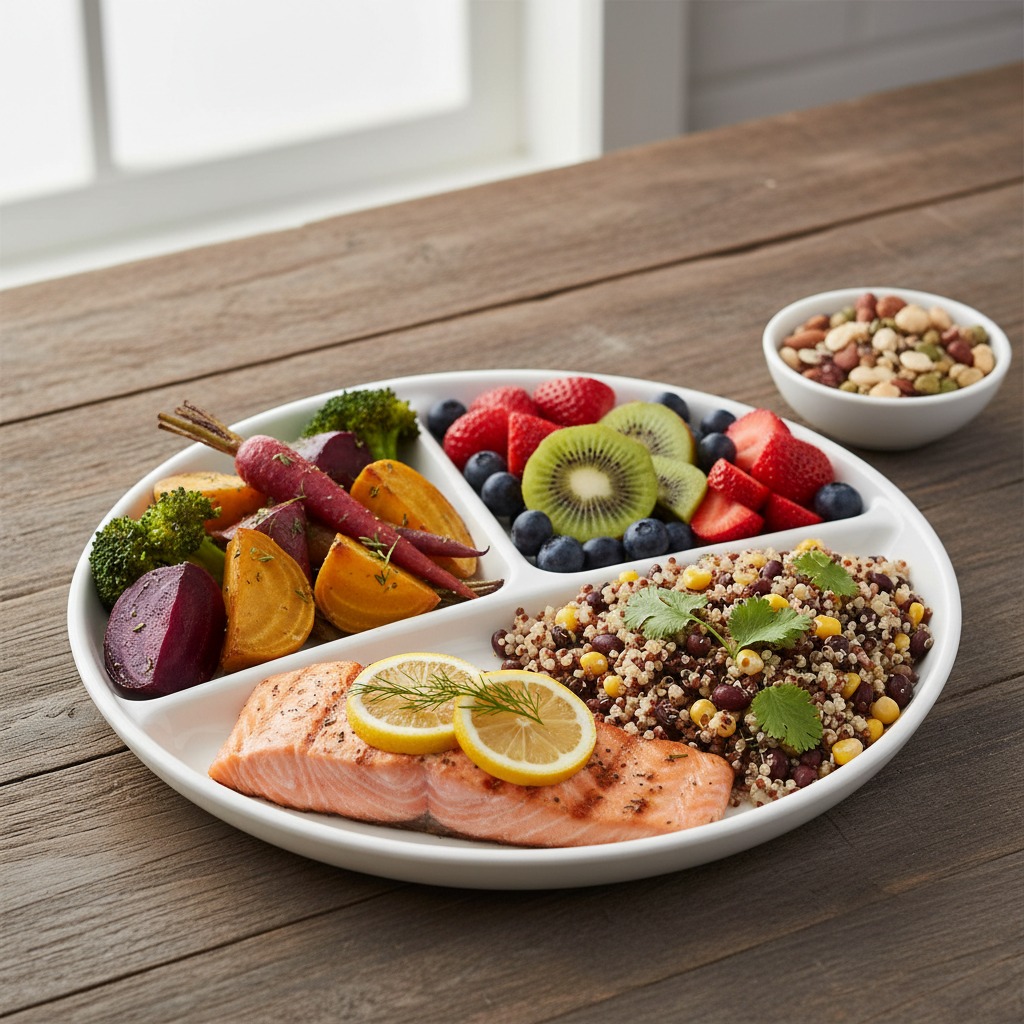
Meal planning means deciding what you will eat before it’s time to cook or eat.
Some people plan an entire week, while others prepare only dinners or lunches. There is no single “correct” method. The best meal plan is one that fits your lifestyle.
Planning ahead helps you:
✔ Buy only what you need.
✔ Spend less time wondering what to cook.
✔ Reduce takeaway meals.
✔ Make grocery shopping easier.
✔ Use ingredients more efficiently.
Start with Simple Meals
You don’t need complicated recipes to eat well.
Many healthy meals are built from just a few ingredients.
For example:
🥗 Breakfast
Oatmeal with banana and milk
👉 Related Articles
• Calories in Oatmeal
• Calories in Banana
• Calories in Milk
🍗 Lunch
Grilled chicken with white rice and vegetables
👉 Related Articles
• Calories in Chicken Tikka
• Calories in White Rice
🍝 Dinner
Pasta with lean chicken and vegetables
👉 Related Articles
• Calories in Pasta
🥜 Snack
Apple with peanut butter
👉 Related Articles
• Calories in Peanut Butter
Build a Balanced Plate
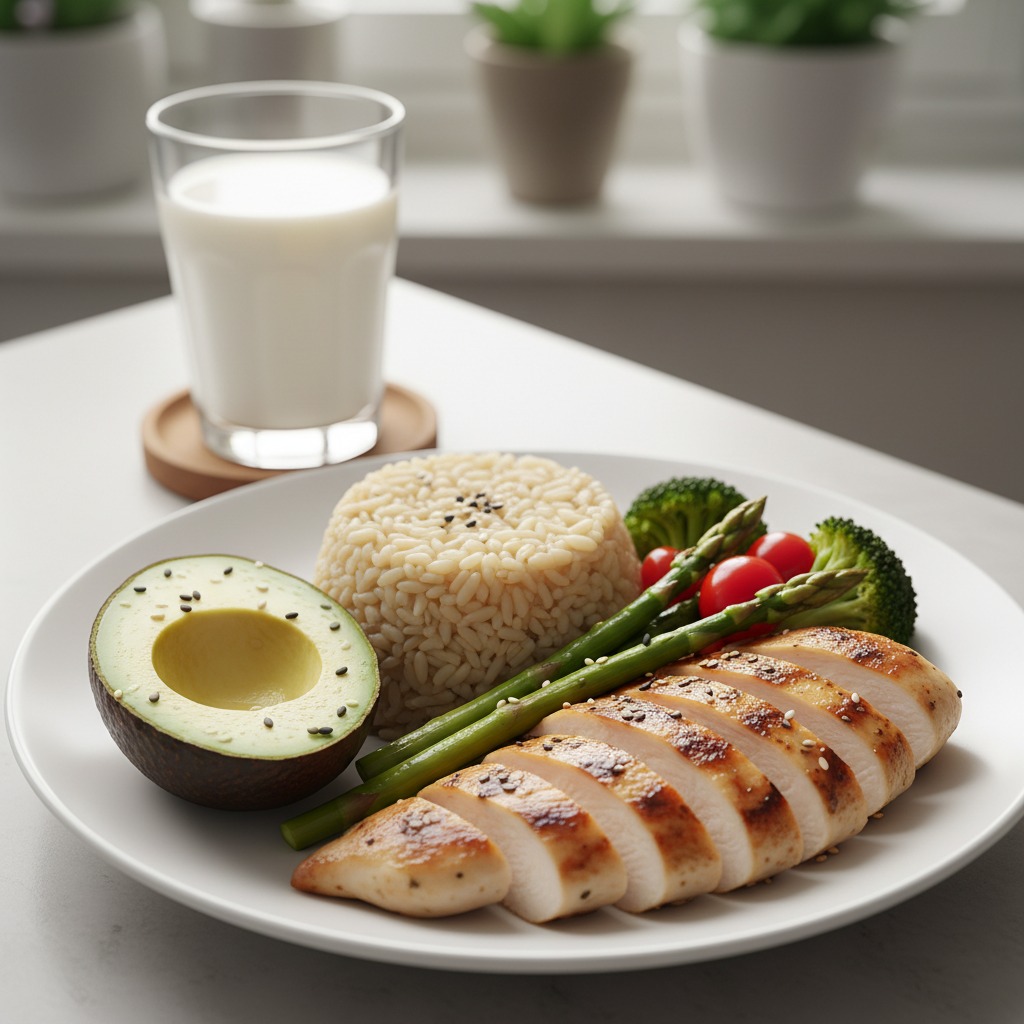
A simple way to plan meals is to include foods from different food groups.
Aim for:
🥩 Protein
🍚 Carbohydrates
🥦 Vegetables
🥑 Healthy fats
For example:
Chicken + Rice + Vegetables + Avocado
or
Eggs + Wholegrain Toast + Fruit
Balanced meals provide a variety of nutrients and are often more satisfying than meals based on only one type of food.
Plan Around Foods You Already Enjoy
Healthy eating doesn’t mean giving up your favourite meals.
Instead, think about balance.
Enjoy pizza?
Pair it with a side salad.
Love biryani?
Enjoy an appropriate portion and include vegetables or yoghurt alongside it.
Meal planning works best when it includes foods you genuinely enjoy eating.
Shop with a Grocery List
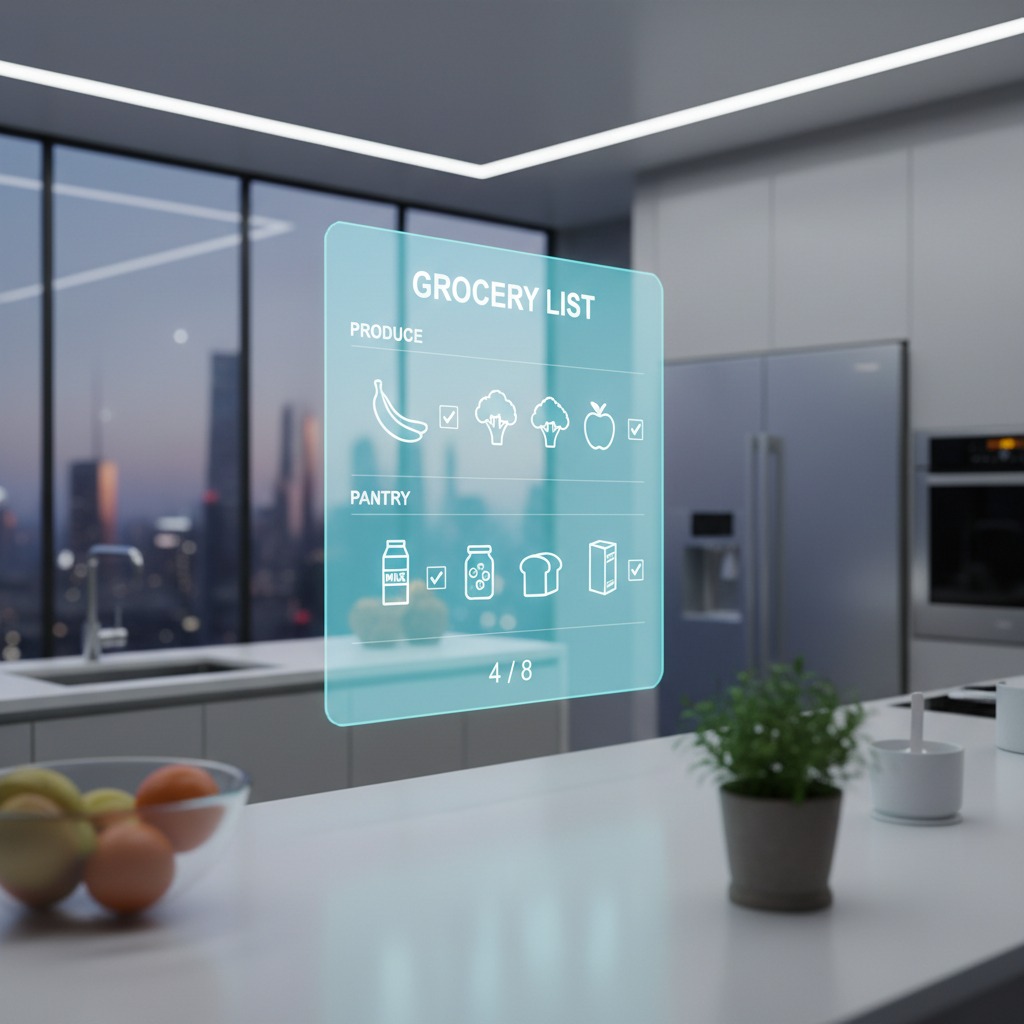
Creating a shopping list before going to the supermarket helps you:
✔ Save money.
✔ Buy fewer unnecessary items.
✔ Reduce food waste.
✔ Make healthier choices.
Try checking your fridge and pantry before shopping to avoid buying ingredients you already have.
Prepare Ahead When Possible
Preparing ingredients in advance can make busy weekdays much easier.
Ideas include:
🥚 Boiling eggs.
🍚 Cooking rice.
🍗 Grilling chicken.
🥣 Preparing overnight oats.
🥕 Washing and chopping vegetables.
Even preparing one or two ingredients ahead of time can reduce cooking stress later in the week.
Be Flexible
Meal planning is meant to make life easier—not create extra pressure.
If plans change, simply swap meals around rather than feeling like you’ve failed.
A flexible plan is usually easier to maintain than a rigid one.
Example One-Day Meal Plan
| Meal | Example |
|---|---|
| Breakfast | Oatmeal with banana and milk |
| Morning Snack | Peanut butter on toast |
| Lunch | Chicken, rice and vegetables |
| Afternoon Snack | Fruit and yoghurt |
| Dinner | Pasta with chicken and salad |
| Evening Snack | Glass of milk |
This is only an example. Your ideal meals will depend on your personal preferences, activity level and health goals.
Common Meal Planning Mistakes
❌ Planning meals that are too complicated.
❌ Buying too much fresh food.
❌ Forgetting snacks.
❌ Trying to completely change your diet overnight.
❌ Expecting every meal to be perfect.
Small, consistent improvements are often easier to maintain.
💡 Did You Know?
Research suggests that people who regularly plan meals may be more likely to eat a varied diet and prepare meals at home more often.
📝 Quick Summary
Meal planning doesn’t have to be complicated. By planning simple meals, shopping with a list, preparing ingredients in advance and staying flexible, you can make healthy eating more practical and enjoyable.
Frequently Asked Questions
How many days should I meal plan?
Many people find planning three to seven days ahead works well, but even planning one day in advance can be helpful.
Can meal planning save money?
Yes. Planning meals before shopping often reduces impulse purchases and food waste.
Do I need to prepare every meal in advance?
No. Some people prepare complete meals, while others simply prepare ingredients such as cooked rice or grilled chicken.
Is meal planning only for weight loss?
No. Meal planning can support weight loss, weight gain or general healthy eating.
Can I include takeaway meals?
Yes. Meal planning is flexible. Occasional takeaway meals can still fit into a balanced eating pattern.
Continue Your Nutrition Journey
Explore more beginner-friendly guides:
- Understanding Calories
- Macronutrients Explained
- Portion Size Guide
- Reading Food Labels
- Healthy Weight Loss Guide
- Healthy Weight Gain Guide
You can also explore calorie guides for:
Trusted Sources
- World Health Organization (WHO)
- NHS (UK)
- Harvard T.H. Chan School of Public Health
- USDA FoodData Central