🌟 Hero Summary
Understanding portion sizes is one of the simplest ways to improve your eating habits without giving up the foods you enjoy. Many people confuse a portion (the amount you choose to eat) with a serving (a recommended amount used for nutrition guidance).
Learning how to estimate healthy portions can help you manage calorie intake, build balanced meals, and enjoy your favourite foods in moderation. Whether your goal is weight loss, weight gain, or maintaining a healthy lifestyle, portion awareness is a practical skill that benefits everyone.
📌 Quick Takeaways
✅ A portion is the amount you choose to eat.
✅ A serving is a standard reference amount.
✅ Portion sizes vary depending on your age, activity level, and goals.
✅ You don’t need to weigh every meal to eat well.
✅ Simple visual guides can help estimate portions anywhere.
Portion vs Serving: What’s the Difference?
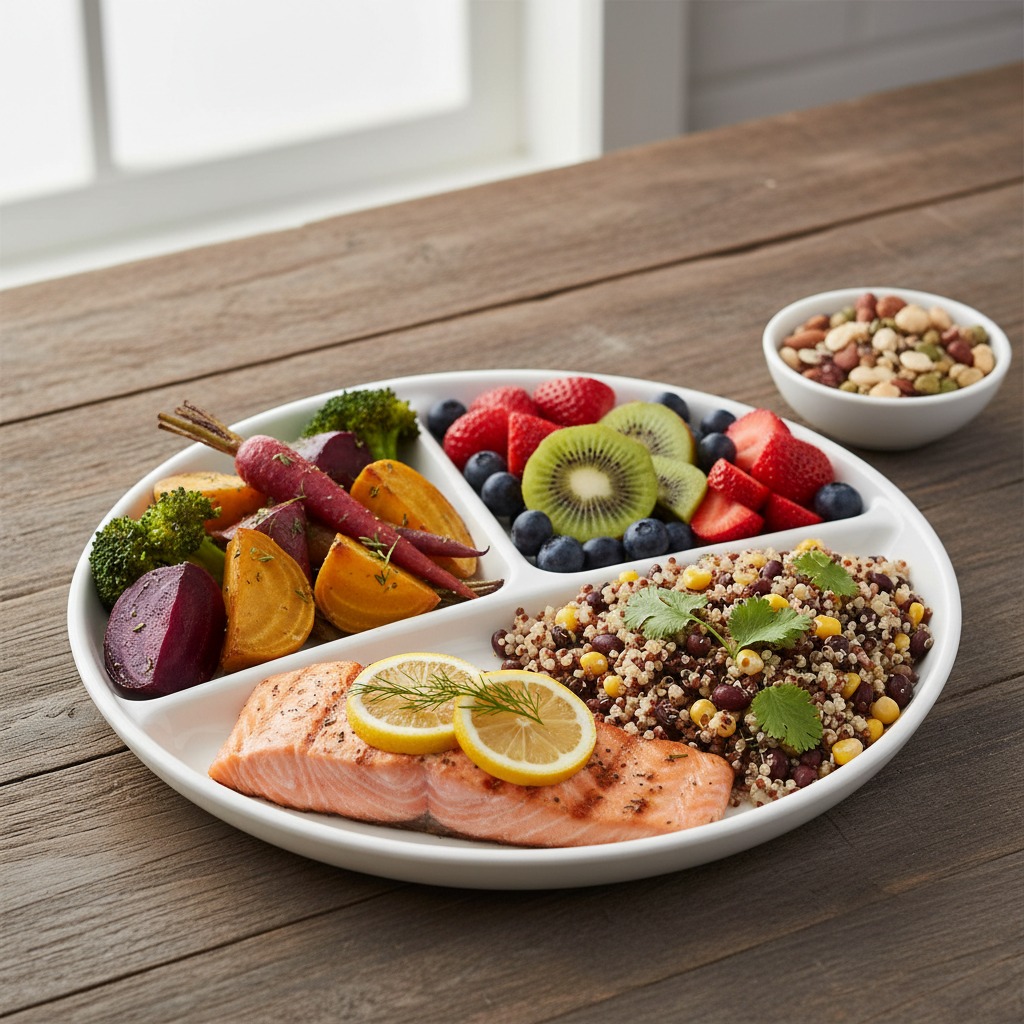
Although the terms are often used interchangeably, they are not exactly the same.
A serving is a standard amount used on food labels or in nutrition guidelines.
A portion is the amount of food you actually put on your plate.
For example:
- A serving of cooked rice might be around one cup.
- Your portion could be half a cup, one cup, or even two cups depending on your needs.
Understanding this difference helps you make more informed food choices without feeling restricted.
Why Portion Sizes Matter
Even healthy foods contain calories, so eating very large portions regularly may increase your calorie intake over time.
On the other hand, portions that are too small may leave you hungry or make it difficult to meet your nutritional needs.
Choosing appropriate portion sizes can help you:
✔ Maintain a healthy weight.
✔ Support weight loss goals.
✔ Gain weight in a balanced way.
✔ Reduce food waste.
✔ Build more satisfying meals.
Rather than aiming for perfection, focus on consistency and balance.
Use Your Hand as a Portion Guide

One of the easiest ways to estimate portion sizes is by using your own hand. Since hand size generally reflects body size, it can be a practical guide when you don’t have measuring cups or kitchen scales.
🥩 Protein
A serving of chicken, fish, or lean meat is often about the size of the palm of your hand.
Examples:
- Chicken breast
- Fish
- Beef
- Chapli kebab
👉 Related Articles:
- Calories in Chicken Tikka
- Calories in Chapli Kebab
- Calories in Fried Eggs
🍚 Carbohydrates
Cooked rice, pasta, noodles, or potatoes are often roughly the size of your cupped hand.
Examples:
- White rice
- Chicken biryani
- Pasta
- Noodles
👉 Related Articles:
- Calories in White Rice
- Calories in Pasta
- Calories in Noodles
- Calories in Chicken Biryani
🥜 Healthy Fats
Foods such as peanut butter or nuts are naturally calorie-dense, so a smaller amount is often enough.
A common guide is the size of your thumb.
Examples:
- Peanut butter
- Olive oil
- Butter
👉 Related Articles:
- Calories in Peanut Butter
🥦 Vegetables
Aim to fill around half your plate with vegetables whenever possible.
Vegetables provide fibre, vitamins, and minerals while generally being lower in calories than many other foods.
Building a Balanced Plate
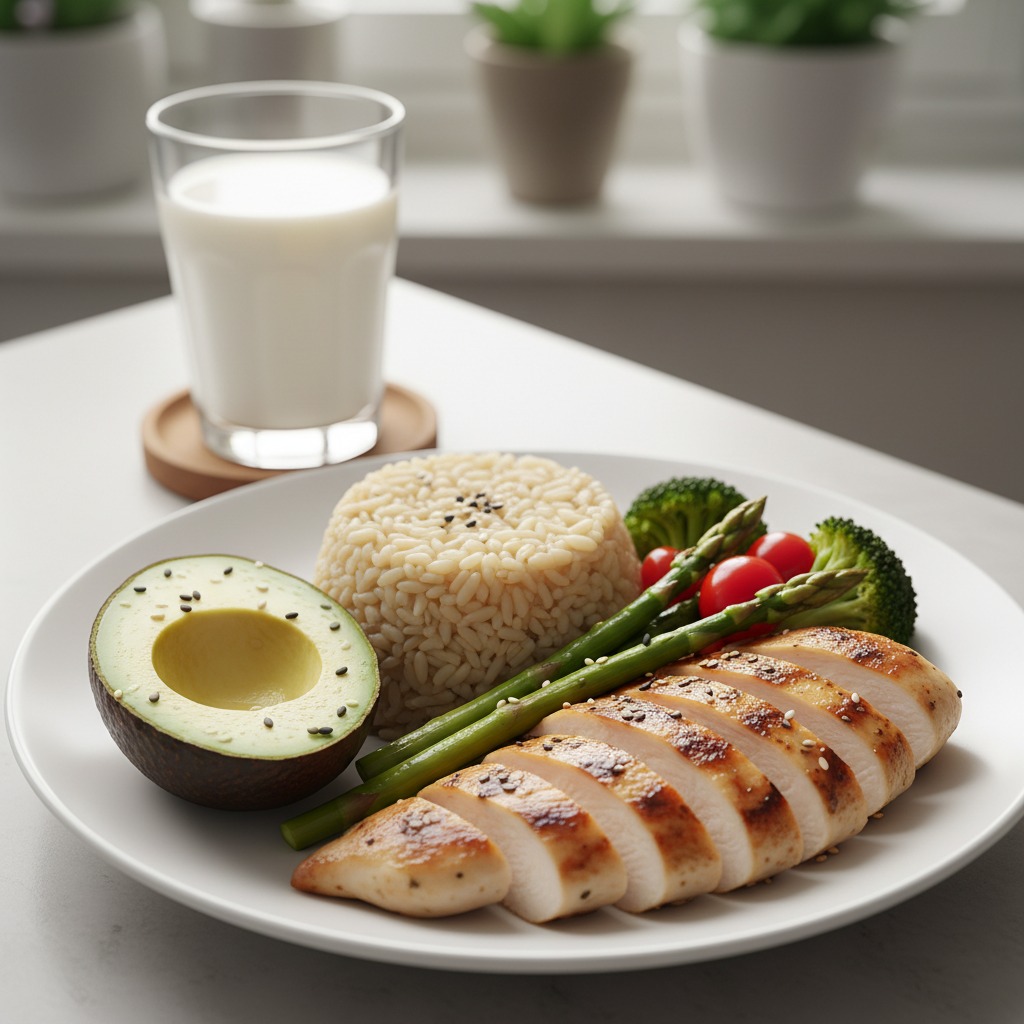
Rather than focusing on counting every calorie, many people find it easier to build balanced meals.
A simple plate can look like this:
🥦 Half the plate – Vegetables or salad
🍗 One quarter – Lean protein
🍚 One quarter – Rice, pasta, potatoes, or other carbohydrates
🥑 Add a small amount of healthy fats, such as avocado, olive oil, or nuts.
This approach provides a good balance of energy and nutrients while remaining flexible enough for different eating styles.
Portion Sizes for Popular Foods
| Food | Typical Portion |
|---|---|
| White Rice | 1 cup cooked |
| Pasta | 1 cup cooked |
| Noodles | 1 bowl |
| Chicken Breast | Palm-sized piece |
| Eggs | 2 eggs |
| Peanut Butter | 1–2 tablespoons |
| Milk | 1 glass (250 ml) |
| Banana | 1 medium banana |
| Pizza | 1–2 slices |
| French Fries | Small handful or one small serving |
Remember: Individual needs vary. Active people or those aiming to gain weight may choose larger portions, while others may prefer smaller amounts depending on their goals.
Tips for Managing Portion Sizes
✔ Eat slowly and pay attention to hunger and fullness.
✔ Serve meals on appropriately sized plates.
✔ Avoid eating directly from large packets.
✔ Read nutrition labels when available.
✔ Include protein and fibre in most meals to help you feel satisfied.
✔ Remember that occasional treats can still fit into a balanced diet.
Common Portion Size Mistakes
❌ Assuming “healthy” foods can be eaten in unlimited amounts.
❌ Filling most of the plate with refined carbohydrates.
❌ Drinking sugary beverages without considering their calories.
❌ Eating while distracted by television or mobile devices.
❌ Skipping meals and then overeating later in the day.
Small improvements in these habits can make a meaningful difference over time.
💡 Did You Know?
Restaurant meals are often much larger than standard serving sizes. Sharing a meal or saving part for later can be a simple way to manage portions without avoiding your favourite foods.
📝 Quick Summary
Portion awareness doesn’t mean measuring every bite or avoiding your favourite foods. By understanding the difference between portions and servings, using simple visual guides, and building balanced plates, you can enjoy a varied diet while supporting your health goals.
Frequently Asked Questions
Do I need to weigh all my food?
No. Kitchen scales can be helpful for some people, but many can estimate portions using their hands or everyday household measures.
Are portion sizes the same for everyone?
No. Portion needs vary depending on age, body size, activity level, and individual health goals.
Can I still eat pizza or burgers?
Yes. Foods like pizza and burgers can fit into a balanced diet when enjoyed in appropriate portions and alongside nutrient-rich meals.
What’s the easiest way to reduce portion sizes?
Try using a slightly smaller plate, eating slowly, and serving your meal in the kitchen rather than placing large serving dishes on the table.
How can I increase portions for healthy weight gain?
Add extra servings of nutritious foods such as rice, milk, nuts, peanut butter, or healthy oils rather than relying mainly on highly processed snacks.
Continue Your Nutrition Journey
Explore more beginner-friendly guides:
- Understanding Calories
- Healthy Weight Gain Guide
- Healthy Weight Loss Guide
- Macronutrients Explained
You can also learn about the calorie content of everyday foods, including:
Trusted Sources
- World Health Organization (WHO)
- NHS (UK)
- Harvard T.H. Chan School of Public Health
- USDA FoodData Central
Recommended Reading
Hydration Articles