High Protein Foods
Protein is one of the most important nutrients your body needs for building muscle, repairing tissues and maintaining overall health. Choosing high protein foods can help support weight loss, muscle growth and improve feelings of fullness throughout the day.
Whether you’re trying to build muscle, lose weight or simply eat a balanced diet, adding protein-rich foods to your meals is one of the healthiest dietary changes you can make.
Best High Protein Foods
| Food | Protein |
|---|---|
| Chicken Breast (100g) | 31g |
| Tuna (100g) | 30g |
| Lean Beef (100g) | 26g |
| Eggs (2 Large) | 13g |
| Greek Yoghurt (170g) | 17g |
| Cottage Cheese (100g) | 11g |
| Lentils (1 Cup Cooked) | 18g |
| Chickpeas (1 Cup Cooked) | 15g |
| Tofu (100g) | 8g |
| Almonds (30g) | 6g |
Tip: Animal proteins generally contain all essential amino acids, while combining different plant proteins can also provide complete nutrition.
Nutrition Facts (100g Chicken Breast)
| Nutrient | Amount |
|---|---|
| Calories | 165 kcal |
| Protein | 31g |
| Carbohydrates | 0g |
| Fat | 3.6g |
| Fibre | 0g |
| Sugar | 0g |
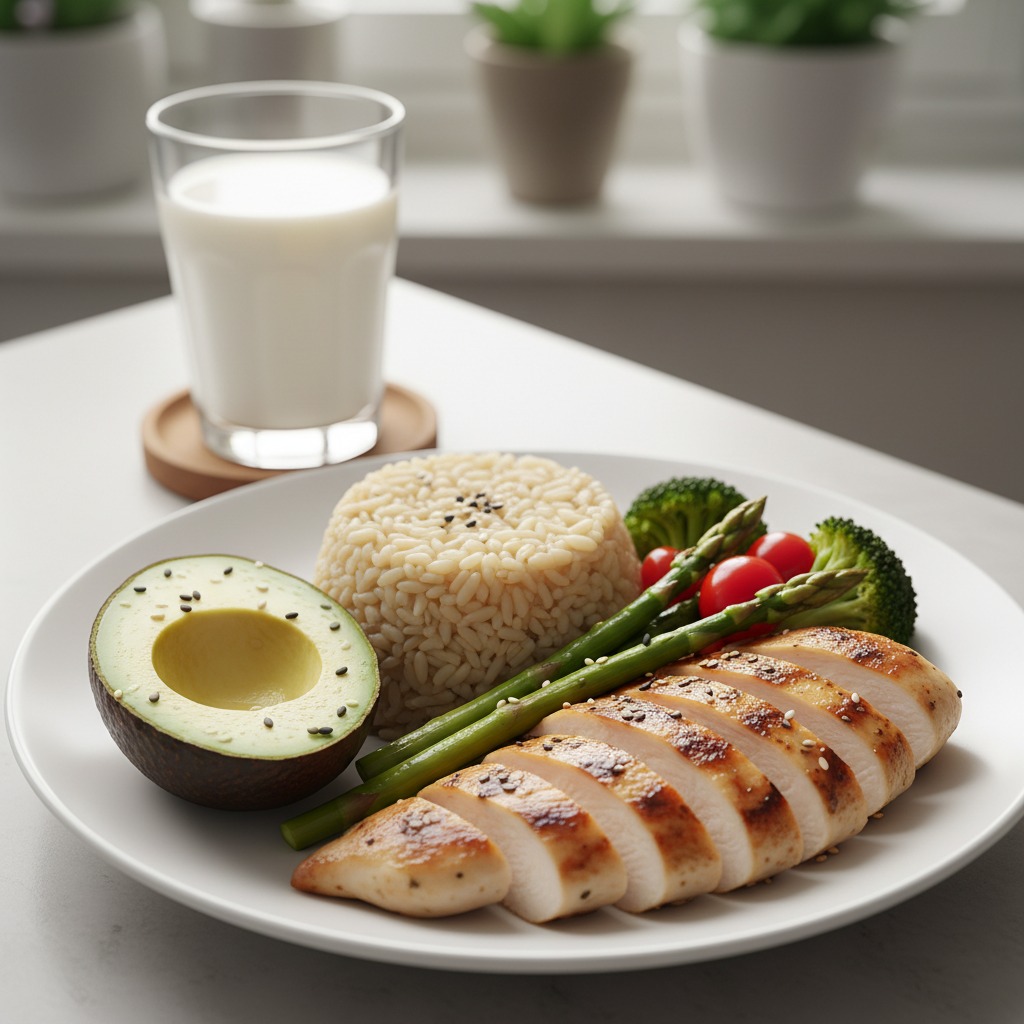
Chicken breast is considered one of the highest-quality lean protein sources.
High Protein Foods by Category
| Category | Best Choices |
|---|---|
| Meat | Chicken, Beef, Turkey |
| Fish | Tuna, Salmon, Sardines |
| Dairy | Greek Yoghurt, Cottage Cheese |
| Eggs | Whole Eggs |
| Plant-Based | Lentils, Chickpeas, Beans, Tofu |
| Nuts & Seeds | Almonds, Pumpkin Seeds, Chia Seeds |
Including a variety of protein sources helps provide essential vitamins and minerals.
Animal Protein vs Plant Protein
| Type | Benefits |
|---|---|
| Animal Protein | Complete protein, high biological value |
| Plant Protein | High in fibre, lower saturated fat, nutrient-rich |
Both animal and plant proteins can be part of a healthy diet.
Are High Protein Foods Good for Weight Loss?
Yes.
High protein foods can:
- Increase fullness.
- Reduce hunger.
- Help preserve muscle during weight loss.
- Support a healthy metabolism.
- Reduce unhealthy snacking.
Protein is one of the most filling nutrients.
Are High Protein Foods Good for Muscle Gain?
Absolutely.
Protein helps:
- Build muscle.
- Repair muscle tissue.
- Improve workout recovery.
- Support strength training.
- Maintain lean body mass.
People who exercise regularly often require more protein than sedentary individuals.
Health Benefits
High protein foods provide:
- Essential amino acids.
- Muscle support.
- Improved satiety.
- Better recovery after exercise.
- Stronger bones.
- Healthy immune function.
Protein also plays an important role in hormone and enzyme production.
What Increases Calories?
Some protein foods become much higher in calories when prepared with:
- Deep frying.
- Heavy cream sauces.
- Butter.
- Cheese.
- Processed coatings.
Grilled, baked or steamed protein sources are usually healthier choices.
Smart Healthier Swaps
Instead of:
- Fried chicken.
- Processed meats.
- Fatty cuts of beef.
Try:
- Grilled chicken breast.
- Tuna.
- Greek yoghurt.
- Lentils.
- Chickpeas.
- Tofu.
These options provide high-quality protein with fewer calories and saturated fat.
Burn Those Calories
Approximately 165 calories (100g chicken breast) can be burned by:
| Activity | Time |
|---|---|
| Walking | 45 minutes |
| Cycling | 25 minutes |
| Running | 16 minutes |
| Swimming | 20 minutes |
Actual calorie burn depends on body weight and exercise intensity.
Expert Tip
Aim to include a protein source with every meal. Spreading protein intake throughout the day may support muscle maintenance and help you stay full for longer.
Related Searches
- High protein foods
- Protein-rich foods
- Foods high in protein
- Best protein foods
- Protein foods for muscle gain
- High protein diet
People Also Ask
What food has the highest protein?
Chicken breast is one of the highest natural protein foods, providing about 31 grams of protein per 100 grams.
Are eggs high in protein?
Yes. Two large eggs provide approximately 13 grams of high-quality protein.
Which plant foods are high in protein?
Lentils, chickpeas, beans, tofu and quinoa are excellent plant-based protein sources.
Can high protein foods help with weight loss?
Yes. Protein increases fullness and may help reduce overall calorie intake.
How much protein should I eat daily?
Protein needs vary based on age, activity level and health goals, but many adults benefit from around 0.8–1.2 grams per kilogram of body weight, with higher amounts often recommended for athletes.
External Reference
Protein values may vary depending on preparation method and food variety. For the most accurate information, refer to the USDA FoodData Central database or official nutrition labels.
Final Thoughts
High protein foods are an essential part of a balanced diet and support everything from muscle growth to healthy weight management. By choosing lean meats, fish, dairy, legumes and other nutrient-rich protein sources, you can improve your overall nutrition while staying satisfied throughout the day.
Internal Links
- Calories in White Rice
- Calories in Chicken Pulao
- Calories in Chicken Biryani
- Calories in Daal
- Daily Calorie Needs Calculator
Leave a Reply