
Signs That You Are Not Eating Enough
Many people believe they eat enough each day, but their bodies may be telling a different story. If you’re constantly feeling tired, losing weight without trying or struggling to gain muscle, you may simply not be consuming enough calories to meet your body’s needs.
Recognising the signs that you’re not eating enough can help you improve your nutrition, maintain a healthy weight and support your overall wellbeing.
Common Signs You’re Not Eating Enough
Some of the most common symptoms include:
- Unintentional weight loss.
- Constant hunger.
- Low energy.
- Difficulty gaining weight.
- Feeling cold frequently.
- Poor concentration.
- Mood changes.
- Slow recovery after exercise.
These signs often develop gradually, making them easy to overlook.
You’re Losing Weight Without Trying
One of the clearest signs is unexplained weight loss.
If your body burns more calories than you consume over time, it begins using stored fat and muscle for energy.
This can lead to:
- Lower body weight.
- Reduced muscle mass.
- Decreased strength.
- Lower energy levels.
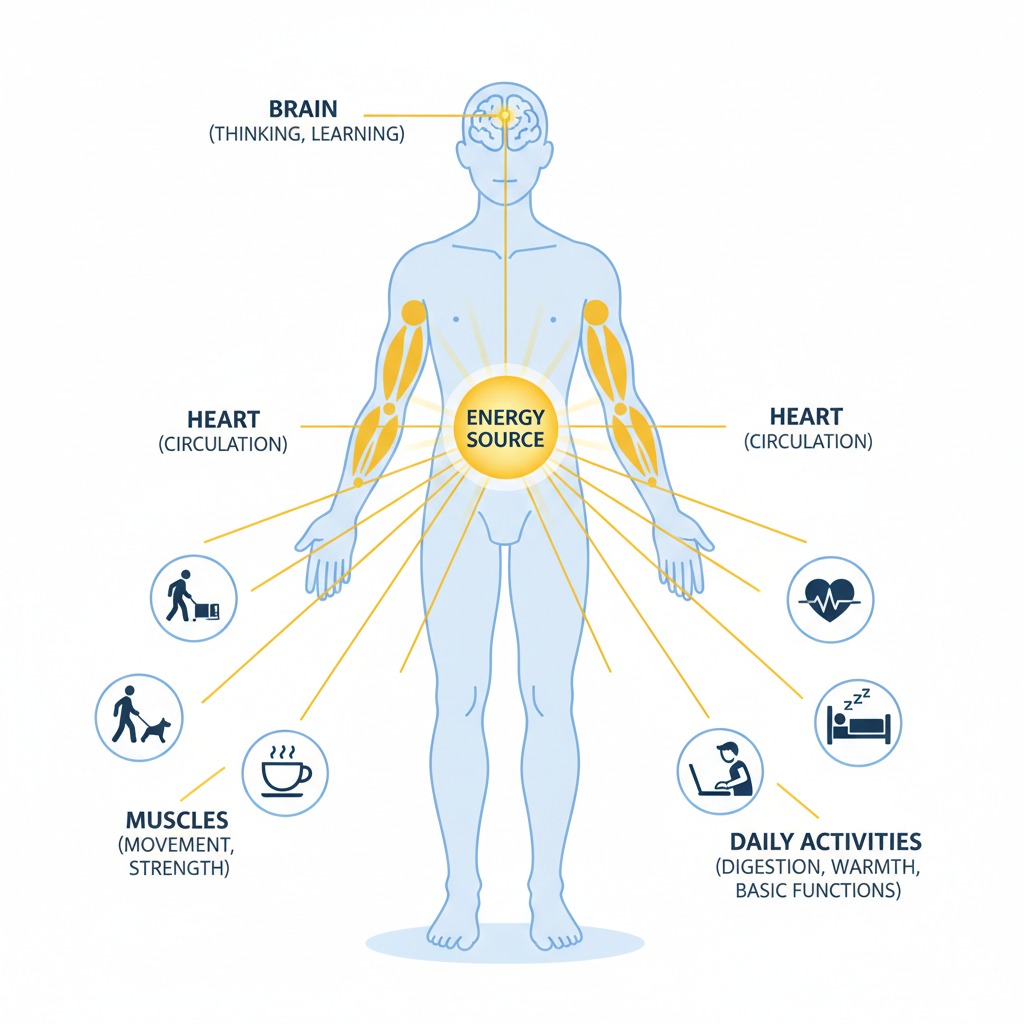
You Feel Tired All the Time
Food is your body’s primary source of energy.
When you don’t eat enough, you may experience:
- Fatigue.
- Low motivation.
- Poor productivity.
- Difficulty exercising.
- Lack of stamina.
Even simple daily activities can begin to feel exhausting.
Constant Hunger
Feeling hungry shortly after meals may indicate that your body needs more energy.
Common signs include:
- Frequent snacking.
- Strong cravings.
- Feeling unsatisfied after meals.
- Thinking about food throughout the day.
Persistent hunger shouldn’t be ignored.
You’re Always Cold
Not eating enough calories can reduce heat production.
You may notice:
- Cold hands and feet.
- Feeling chilly indoors.
- Needing extra clothing when others don’t.
Your body naturally conserves energy when calorie intake is too low.
Poor Exercise Performance
Without enough fuel, your workouts suffer.
You may experience:
- Reduced strength.
- Poor endurance.
- Longer recovery times.
- Difficulty building muscle.
Proper nutrition is essential for exercise performance and recovery.
Mood Changes
Low calorie intake can affect your brain as well as your body.
Possible symptoms include:
- Irritability.
- Mood swings.
- Anxiety.
- Difficulty concentrating.
- Feeling unmotivated.
Regular, balanced meals help maintain stable energy and mood.
Frequent Illness
Poor nutrition can weaken your immune system.
You may find yourself:
- Catching colds more often.
- Recovering slowly from illness.
- Feeling run down.
Adequate calories, protein and vitamins all play important roles in supporting immunity.
How to Eat More
If you recognise several of these signs, try:
- Eating every 3–4 hours.
- Including protein with every meal.
- Choosing calorie-dense foods.
- Drinking nutritious smoothies.
- Carrying healthy snacks.
- Tracking your calorie intake.
Small, consistent changes are often easier than dramatically increasing meal sizes.
Foods That Can Help
| Food | Calories |
|---|---|
| Peanut Butter (2 tbsp) | 190 kcal |
| Mixed Nuts (50g) | 320 kcal |
| Whole Milk | 150 kcal |
| Oatmeal with Milk | 330 kcal |
| Avocado | 240 kcal |
| Greek Yogurt | 180 kcal |
These foods provide plenty of nutrition while making it easier to increase your calorie intake.
Expert Tip
If you’re trying to gain weight, don’t wait until you feel hungry. Hunger isn’t always a reliable indicator that your body needs food. Eating on a regular schedule is often much more effective than relying on appetite alone.
People Also Ask
How do I know if I’m not eating enough?
Common signs include constant hunger, fatigue, weight loss, feeling cold, poor exercise performance and difficulty concentrating.
Can eating too little slow weight gain?
Yes. If you consistently eat fewer calories than your body needs, gaining weight becomes extremely difficult.
Why do I feel tired even though I sleep enough?
Not consuming enough calories can leave your body without sufficient energy, causing fatigue despite adequate sleep.
Can not eating enough affect muscle growth?
Yes. Without enough calories and protein, your body struggles to repair and build muscle tissue.
What’s the easiest way to increase calorie intake?
Adding calorie-dense foods like nuts, peanut butter, whole milk and healthy snacks between meals is one of the simplest ways.
External Reference
Health organisations such as the NHS recommend eating a balanced diet that provides enough calories, protein and essential nutrients to maintain a healthy body weight and overall wellbeing.
Final Thoughts
Not eating enough doesn’t just affect your weight—it can impact your energy, mood, exercise performance and overall health. If you recognise several of these signs, gradually increasing your calorie intake with nutritious, calorie-dense foods can help your body recover and support healthy weight gain over time.o get a clearer idea of your daily requirements.
Related Searches
- Signs of not eating enough
- Am I eating enough?
- Symptoms of low calorie intake
- Why am I always hungry?
- Healthy weight gain tips
- Calorie deficiency signs
Internal Links
- How Many Calories Do You Need to Gain Weight?
- Best Foods to Help You Gain Weight
- How Long Does Healthy Weight Gain Actually Take?
- Best Bedtime Snacks for Weight Gain
- How to Gain Weight with a Fast Metabolism
- Daily Calorie Needs Calculator
Leave a Reply