

Why Are You Not Gaining Weight?
If you’ve been eating more food but still aren’t gaining weight, you’re not alone. Many people struggle to increase their body weight despite believing they’re eating enough. The truth is that healthy weight gain depends on much more than simply eating large meals.
Your metabolism, calorie intake, activity level, sleep, stress and even certain medical conditions can all affect your ability to gain weight. Understanding the real reason you’re not seeing progress is the first step towards fixing it.
Common Reasons You’re Not Gaining Weight
The most common reasons include:
- You’re not eating enough calories.
- You have a fast metabolism.
- You’re physically very active.
- You’re skipping meals.
- You’re not eating enough protein.
- You’re not strength training.
- You’re dealing with stress or anxiety.
- You have an underlying medical condition.
Most people are surprised to discover they aren’t actually eating as many calories as they think.
Are You Really Eating Enough?
Many people overestimate their calorie intake.
Signs you may not be eating enough include:
- Feeling hungry shortly after meals.
- Frequently skipping breakfast.
- Small portion sizes.
- Rarely snacking.
- Inconsistent meal times.
Tracking your food for a week can reveal whether you’re consistently reaching your calorie goals.
Fast Metabolism
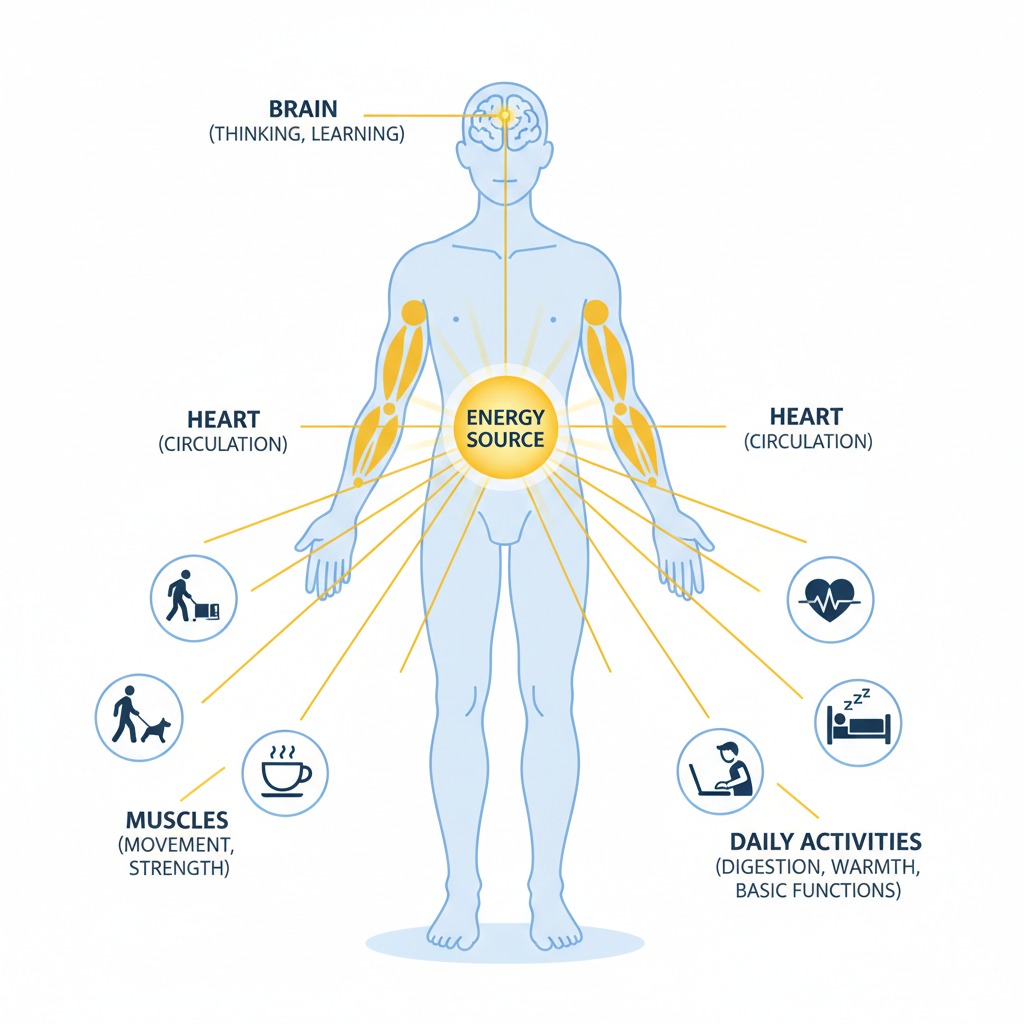
Some people naturally burn calories faster than others.
A faster metabolism means your body:
- Uses more energy at rest.
- Burns calories quickly during activity.
- Requires more food to maintain weight.
While you can’t completely change your metabolism, you can adjust your eating habits to match your body’s needs.
You’re Burning More Than You Eat
Even if you eat large meals, you may still be in a calorie deficit.
Common calorie-burning activities include:
- Walking long distances.
- Playing sports.
- Physical jobs.
- Gym workouts.
- Standing for long hours.
If you’re highly active, you may need several hundred additional calories each day.
You’re Not Eating Enough Protein
Protein is essential for building muscle.
Good sources include:
- Chicken.
- Fish.
- Eggs.
- Milk.
- Greek yogurt.
- Cottage cheese.
- Lentils.
- Beans.
Without enough protein, your body struggles to build lean muscle even if you’re eating extra calories.
Stress and Anxiety
Stress doesn’t affect everyone the same way.
For many people it can:
- Reduce appetite.
- Cause missed meals.
- Increase calorie burn.
- Disrupt sleep.
- Affect digestion.
Managing stress can often improve appetite and support healthy weight gain.
Could It Be a Medical Condition?
Sometimes difficulty gaining weight is linked to an underlying health problem.
Possible causes include:
- Hyperthyroidism.
- Digestive disorders.
- Diabetes.
- Food intolerances.
- Chronic infections.
- Certain medications.
If you’ve been unable to gain weight despite consistently eating more for several months, it’s worth discussing your concerns with a healthcare professional.
How to Start Gaining Weight
Simple strategies include:
- Eat 5–6 meals every day.
- Include protein with every meal.
- Choose calorie-dense foods.
- Drink smoothies or milk.
- Snack between meals.
- Strength train 3–4 times per week.
- Sleep 7–9 hours each night.
Consistency is much more important than eating huge meals occasionally.
Foods That Can Help
Some excellent calorie-dense foods include:
| Food | Calories (Approx.) |
|---|---|
| Peanut Butter (2 tbsp) | 190 kcal |
| Mixed Nuts (50g) | 320 kcal |
| Whole Milk (1 Glass) | 150 kcal |
| Oatmeal with Milk | 330 kcal |
| Avocado | 240 kcal |
| Mango Shake | 300 kcal |
These foods increase calorie intake while also providing valuable nutrients.
Expert Tip
Don’t rely on your appetite alone. Many naturally slim people simply don’t feel hungry often enough to gain weight. Planning meals, setting reminders and tracking calories can make a significant difference over time.
People Also Ask
Why am I eating a lot but not gaining weight?
Possible reasons include a fast metabolism, high activity levels, insufficient calorie intake or an underlying medical condition.
Can stress stop you from gaining weight?
Yes. Stress and anxiety can reduce appetite, affect digestion and make healthy weight gain more difficult.
Is it normal to have a fast metabolism?
Yes. Some people naturally burn more calories than others due to genetics, age and activity level.
Should I see a doctor if I can’t gain weight?
If you’ve consistently increased your calorie intake but still can’t gain weight after several months, it’s a good idea to speak with a healthcare professional.
What’s the fastest healthy way to gain weight?
A moderate calorie surplus, strength training, high-protein meals and consistent eating habits are the safest and most effective ways to gain weight.
Related Searches
- Why can’t I gain weight?
- Fast metabolism weight gain
- Why am I so skinny?
- Healthy weight gain tips
- Weight gain problems
- Hard gainer guide
External Reference
For persistent or unexplained difficulty gaining weight, consult a qualified healthcare professional. Evidence-based guidance from organisations such as the NHS and Mayo Clinic recommends ruling out underlying medical conditions before beginning an aggressive weight gain programme.
Final Thoughts
Not gaining weight is often frustrating, but in most cases the solution is identifying what’s holding you back. Whether it’s eating too few calories, having a fast metabolism, high activity levels or simply inconsistent eating habits, small improvements made consistently can produce impressive results over time. Focus on nutritious, calorie-dense foods, strength training and patience, and remember that healthy weight gain is a gradual journey rather than an overnight transformation.
Internal Links
- How Many Calories Do You Need to Gain Weight?
- Best Foods to Help You Gain Weight
- How Long Does Healthy Weight Gain Actually Take?
- Best Bedtime Snacks for Weight Gain
- How to Gain Weight with a Fast Metabolism
- Daily Calorie Needs Calculator
Leave a Reply