
🌟 Hero Summary
Food labels provide valuable information about what’s inside packaged foods, but they can sometimes seem confusing. Learning how to read a nutrition label helps you compare products, understand portion sizes, and make more informed food choices.
You don’t need to analyse every number on every package. By focusing on a few key areas, you can quickly understand what you’re eating and how a product fits into your overall diet.
📌 Quick Takeaways
✅ Always check the serving size first.
✅ Calories are based on one serving, not necessarily the whole package.
✅ Compare protein, carbohydrates, fat, sugar and sodium.
✅ Read the ingredient list as well as the nutrition panel.
✅ Use labels as a guide rather than the only measure of healthy eating.
What Is a Nutrition Label?
A nutrition label is a standard information panel found on packaged foods and drinks. It provides details about the product’s nutritional content, helping consumers compare foods and make informed choices.
Most nutrition labels include:
- Serving size
- Calories (or energy)
- Protein
- Carbohydrates
- Total fat
- Saturated fat
- Sugar
- Fibre
- Sodium (salt)
- Ingredient list
These values are usually shown per serving and, in many countries, per 100 grams or 100 millilitres.
Step 1: Check the Serving Size
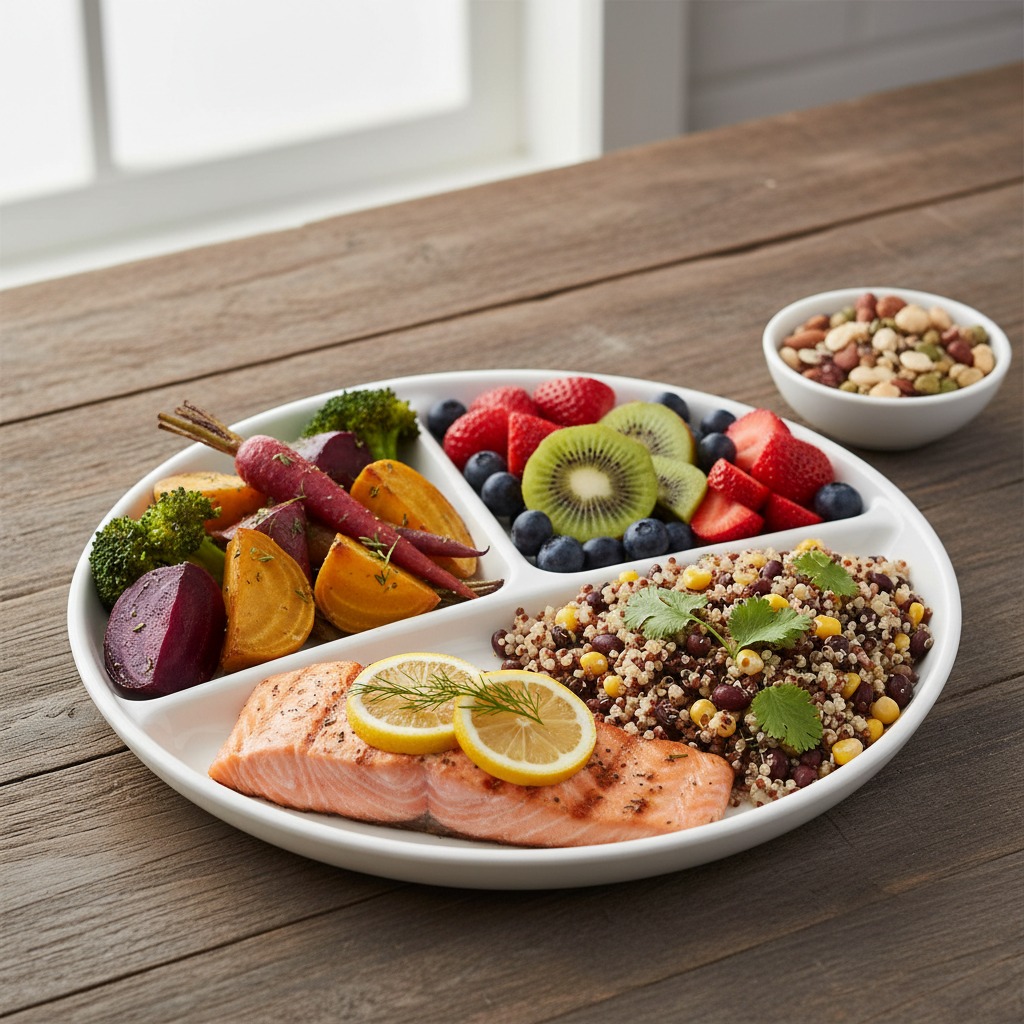
The first thing to look at is the serving size.
Why?
Because all the nutrition information is based on this amount.
For example:
A packet of biscuits may contain 4 servings.
If you eat the whole packet, you’ll consume four times the calories and nutrients shown for one serving.
Understanding serving size helps prevent accidentally underestimating your calorie intake.
Step 2: Look at the Calories
Calories tell you how much energy one serving provides.
Higher-calorie foods are not automatically unhealthy, and lower-calorie foods are not automatically healthier.
Instead, think about:
✔ Your health goals
✔ Portion size
✔ Overall nutritional value
For example, a handful of nuts contains more calories than a soft drink, but nuts also provide healthy fats, protein and important nutrients.
Step 3: Understand the Macronutrients
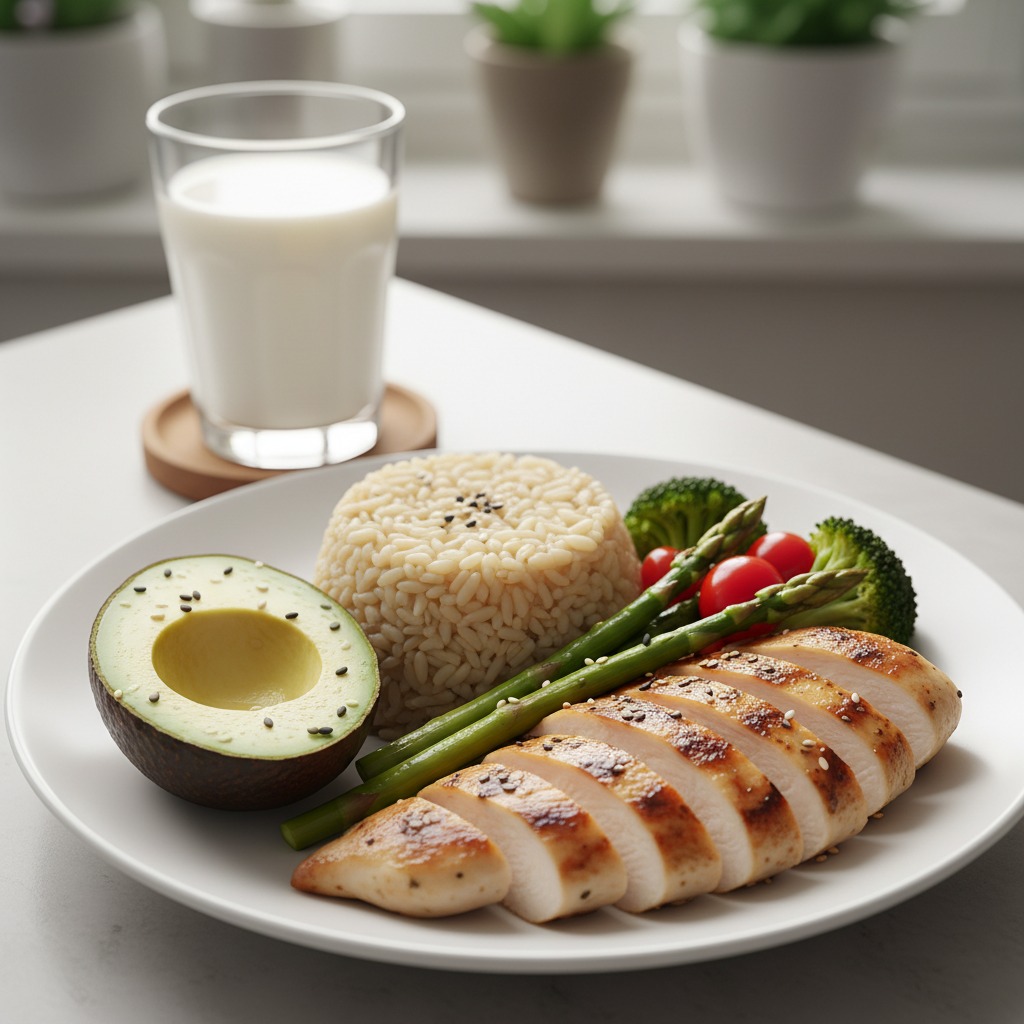
Most labels list three main macronutrients:
🥩 Protein
🍚 Carbohydrates
🥑 Fat
Each plays a different role in your diet.
Instead of looking for the “lowest” numbers, think about balance.
For example:
A high-protein yoghurt may support muscle recovery.
Whole-grain cereal provides carbohydrates for energy.
Nuts contain healthy fats that support heart health.
Step 4: Check Sugar and Sodium
Many packaged foods contain added sugar or high amounts of sodium.
This doesn’t automatically mean you should avoid them, but comparing similar products can help you make more informed choices.
For example:
Two breakfast cereals may contain similar calories, but one may have:
✔ More fibre
✔ Less added sugar
✔ More whole grains
Small improvements like these can make a difference over time.
Step 5: Read the Ingredients List
The ingredients list shows everything used to make the product.
Ingredients are generally listed in order of quantity, with the largest ingredient appearing first.
For example:
Whole oats, milk powder and nuts listed near the top suggest they make up a significant part of the product.
Reading ingredient lists is particularly useful if you have food allergies or dietary preferences.
Comparing Two Similar Products
Instead of looking at only one food, compare similar products side by side.
For example, compare two brands of yoghurt or breakfast cereal by looking at:
- Serving size
- Calories
- Protein
- Fibre
- Sugar
- Sodium
This simple habit often leads to better everyday food choices.
Common Mistakes When Reading Labels
❌ Ignoring the serving size.
❌ Looking only at calories.
❌ Assuming “low fat” always means healthier.
❌ Forgetting to read the ingredients list.
❌ Comparing products with different serving sizes.
Remember, no single number tells the whole story.
💡 Did You Know?
Many countries require nutrition information to be shown per 100 grams, making it easier to compare similar products even when serving sizes are different.
📝 Quick Summary
Reading food labels is a practical skill that helps you understand what you’re eating. By checking serving sizes, calories, macronutrients, sugar, sodium and ingredients, you can compare products more confidently and make choices that suit your personal health goals.
Frequently Asked Questions
Should I only look at calories?
No. Calories are important, but they don’t tell the whole nutritional story. Consider protein, fibre, fats, carbohydrates and ingredients as well.
Is sugar always bad?
Naturally occurring sugars found in fruit and milk are different from added sugars. A balanced diet can include both naturally sweet foods and occasional treats.
Why do labels use serving sizes?
Serving sizes provide a standard way to show nutritional information and help consumers estimate how much they’re eating.
What’s more important: calories or ingredients?
Both matter. Calories tell you about energy, while ingredients help you understand what the food is made from.
Should I avoid packaged foods?
Not necessarily. Many packaged foods, such as frozen vegetables, yoghurt, oats and canned beans, can be part of a healthy eating pattern.
Continue Your Nutrition Journey
You might also enjoy:
- Understanding Calories
- Macronutrients Explained
- Portion Size Guide
- Healthy Weight Loss Guide
- Healthy Weight Gain Guide
You can also explore the calorie content of everyday foods, including:
Trusted Sources
- World Health Organization (WHO)
- NHS (UK)
- Harvard T.H. Chan School of Public Health
- Food Standards Australia New Zealand (FSANZ)